
Navigating the healthcare system for your child can feel like a full-time job. Between pediatrician visits, school physicals, and specialist appointments, the paperwork never seems to end. One of the most common sources of confusion for California parents is dental care. You know your child needs a healthy smile, but the financial aspect can be daunting.
Many parents find themselves asking: Does insurance cover pediatric dentistry in California?
The short answer is generally yes, but the extent of that coverage varies significantly depending on your specific plan, provider, and the type of treatment your child needs. California law and the Affordable Care Act (ACA) view pediatric dental care as an essential health benefit, meaning most health plans must offer it. However, understanding the fine print—deductibles, copays, and exclusions—is vital to avoiding surprise bills.
This guide will break down how dental insurance works for children in the Golden State, what services are typically covered, and how to find affordable care if you are uninsured.
Key Takeaways
- Essential Benefit: Pediatric dental care is considered an Essential Health Benefit under the ACA, meaning most California health plans must cover it.
- Preventive Focus: Most insurance plans cover 100% of preventive services like exams and cleanings.
- Medi-Cal: California’s Medi-Cal program provides extensive dental coverage for children under age 21.
- Specialized Care: Coverage for sedation, airway evaluations, and orthodontics varies by plan and medical necessity.

Overview of Pediatric Dentistry in California
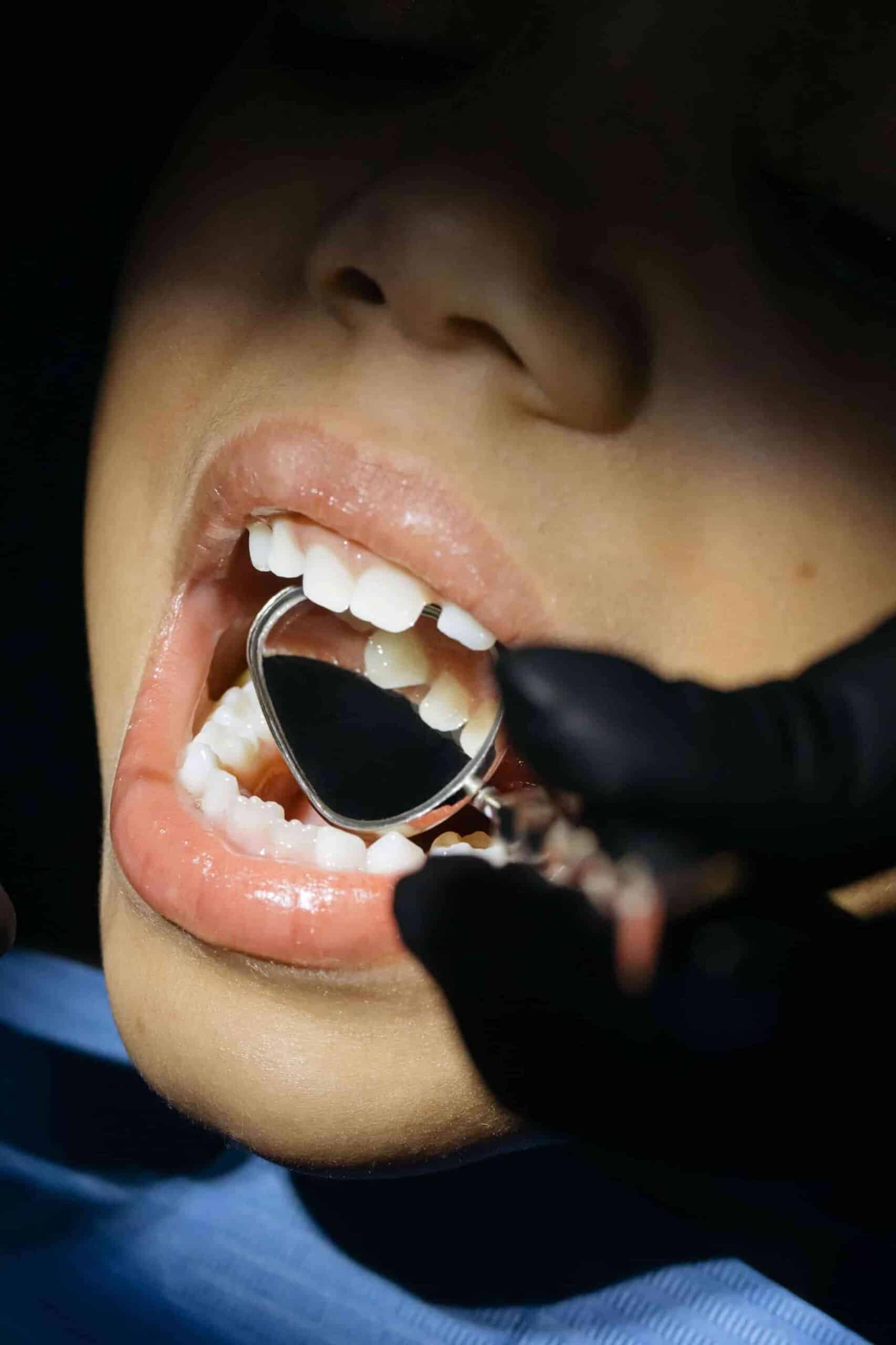
Pediatric dentistry is more than just checking for cavities in smaller teeth. It is a specialized field dedicated to the oral health of infants, children, and adolescents, including those with special health needs.
A pediatric dentist has two to three years of specialty training after dental school. This training focuses on child psychology, growth and development, and specialized techniques to manage anxiety.
What services do pediatric dentists provide?
At specialized practices like Hawthorne Children’s Dental, the focus is on “whole-body health.” This means the care extends beyond simple fillings. Services often include:
- Preventive Care: Cleanings, fluoride treatments, and sealants.
- Airway Evaluation: Addressing sleep-disordered breathing and developmental concerns.
- Sedation Dentistry: Using methods like nitrous oxide to help anxious children relax.
- Emergency Dentistry: Urgent care for accidents or sudden toothaches.
Early dental care is crucial. The American Academy of Pediatric Dentistry recommends a child’s first visit occur by their first birthday.
Early visits help establish a “dental home,” reducing anxiety and catching developmental issues before they become expensive problems.
Understanding Dental Insurance in California
In California, dental coverage for children typically comes from one of three sources: a standalone dental plan, a dental plan embedded in your health insurance, or state-sponsored programs like Medi-Cal.
Types of Plans
- PPO (Preferred Provider Organization): These plans offer the most flexibility. You can visit any dentist, but you will pay less if you use a dentist within the plan’s network. PPO plans usually have an annual maximum allowance.
- HMO (Health Maintenance Organization): These plans usually have lower premiums and copays but restrict you to a specific list of dentists. If you go out of network, you typically pay the full cost.
- Medi-Cal Dental (Denti-Cal): This is California’s Medicaid program. For children under 21, it covers a wide range of diagnostic, preventive, restorative, and emergency services.
Coverage for Pediatric Dental Services
When reviewing your policy, it helps to categorize treatments into three tiers: preventive, basic, and major. Here is how coverage usually applies to the services offered at practices like Hawthorne Children’s Dental.
1. Preventive Care (Usually 100% Covered)
Insurance companies prioritize prevention because it is cheaper than curing problems later. Most PPO and HMO plans cover the following twice a year with little to no out-of-pocket cost:
- Routine exams and cleaning
- X-rays (bitewing)
- Fluoride treatments
2. Basic Restorative Care (Usually 70-80% Covered)
If your child has a cavity or a minor issue, insurance typically covers a significant portion of the cost after you meet your deductible.
- Fillings (composite or amalgam)
- Simple extractions
- Sealants (often considered preventive but sometimes categorized here)
3. Major and Specialized Services (Usually 50% Covered)
This is where policies differ the most. Coverage for major procedures often comes with a waiting period for new policyholders.
Emergency Dentistry
Dental emergencies—like a knocked-out tooth from a playground accident—are generally covered. However, the specific reimbursement depends on whether the treatment is considered “basic” (like an extraction) or “major” (like a crown repair).
Sedation Dentistry
For children with high anxiety or special needs, sedation is often necessary to perform dental work safely. Hawthorne Children’s Dental offers options like nitrous oxide (laughing gas). While some plans cover sedation if it is deemed medically necessary, others may consider it an add-on luxury and require out-of-pocket payment.
Airway Dentistry
This is a newer, vital area of pediatric care. Airway evaluations look for signs of sleep apnea or mouth breathing, which can affect a child’s development. Because this overlaps with medical health (breathing and sleep), coverage can sometimes be claimed under medical insurance rather than dental, depending on the diagnosis.
Navigating Insurance Claims for Pediatric Dentistry
Dealing with claims can be frustrating, but following a few steps can ensure you get the reimbursement you are entitled to.
Verify Eligibility Before the Appointment
Never assume coverage. Call your provider or the dental office before your visit to verify that your child is active on the plan and to check your remaining benefits for the year.
Pre-Authorization is Key
For any non-routine procedure (like sedation or space maintainers), ask your dentist to submit a “pre-treatment estimate” to your insurance. This document details exactly what the insurance will pay and what your estimated share will be, preventing surprise bills.
Understand the “In-Network” Advantage
Hawthorne Children’s Dental accepts most insurance plans, including PPO, HMO, and Medi-Cal. Staying in-network prevents you from being “balance billed”—meaning the dentist cannot charge you the difference between their standard rate and the insurance company’s negotiated rate.
Additional Options for Affordable Pediatric Dental Care
If you do not have private insurance, or if your plan leaves you with high copays, there are still ways to access high-quality care in Hawthorne and the greater Los Angeles area.
Medi-Cal and Government Programs
California’s Medi-Cal program is robust for children. It covers almost all medically necessary dental services for kids, including relief of pain and infections, teeth restoration, and maintenance of dental health.
Flexible Financing
Don’t let a lack of insurance stop you from seeking care. Many modern dental offices offer flexible payment structures. Hawthorne Children’s Dental, for example, accepts a variety of payment methods to make care accessible:
- Digital Wallets: Apple Pay, Venmo, CashApp, and Zelle.
- Cryptocurrency: Bitcoin and various other cryptocurrencies.
- Financing: Third-party financing like CareCredit, which often offers 0% interest terms.
Community Resources
For families in financial hardship, community dental clinics and university dental schools (like the nearby UCLA School of Dentistry) often provide care on a sliding fee scale.
Choosing the Right Pediatric Dentist
Insurance is important, but it shouldn’t be the only factor in choosing a provider. You need a dentist who can build trust with your child. A bad experience early on can lead to dental phobia that lasts a lifetime.
When looking for a dentist, consider:
- Specialized Training: Are they a general dentist who sees kids, or a specialist? Dr. Klein at Hawthorne Children’s Dental completed a specialized Pediatric Dentistry residency and is a Diplomate of the American Board of Pediatric Dentistry.
- Environment: Is the office designed for kids? Look for a fun, welcoming atmosphere.
- Philosophy: Do they use minimally invasive treatments? Do they focus on comfort?

Frequently Asked Questions
Q: What makes a pediatric dentist different from a general dentist?
A: A pediatric dentist undergoes two to three years of additional specialty training after dental school. This focuses exclusively on the oral health of infants, children, and teens, as well as those with special health needs. This training allows them to provide care tailored to the unique physical and emotional development of children.
Q: How often should my child visit the dentist?
A: It is recommended to bring your child in for a check-up every six months. Regular visits allow the dentist to monitor oral health, provide preventive care like fluoride, and catch potential issues early.
Q: What should I do if my child has a toothache?
A: If your child has a toothache, rinse their mouth with warm water and apply a cold compress to reduce swelling. Contact a pediatric dentist immediately. Hawthorne Children’s Dental prioritizes emergency appointments to diagnose and treat pain promptly.
Q: Is specialized toothpaste necessary for kids?
A: Preventive tools matter. Experts often recommend Sonicare toothbrushes and MI paste. Hawthorne Children’s Dental offers these in-office to help protect your child’s teeth from cavities between visits.
Ensure Your Child’s Smile is Covered
Understanding your insurance coverage is the first step toward securing your child’s oral health. Whether you have a PPO, HMO, or Medi-Cal, California offers robust options to ensure children get the care they need.
If you are looking for a compassionate, expert team to guide you through both the dental treatment and the financial options, look no further.
Hawthorne Children’s Dental
4570 W El Segundo Blvd, Hawthorne, CA 90250
(213) 444-4203