A broken tooth can happen in seconds—a fall on the playground, a hard candy, or biting into something unexpected. When it happens, you want to help right away, especially if it’s your child in pain. So what can I use to cover a broken tooth until I reach the dentist? That’s one of the most common questions worried parents ask, and the good news is there are safe, simple steps you can take at home.
In this guide, you’ll learn how to assess the damage, ease discomfort, protect the area, and recognize when it’s time to call a dental professional. These tips offer temporary relief only. They are not a replacement for an in-person dental exam and treatment.
Key Takeaways
- A broken tooth needs professional care, but smart at-home steps can reduce pain and protect the area in the meantime.
- Rinse gently, control bleeding, and use a cold compress to manage swelling right after the injury.
- Dental wax, sugar-free gum, and over-the-counter pain relievers can offer short-term comfort.
- A broken tooth cutting the cheek deserves quick attention to prevent irritation and infection.
- Always see a dentist promptly—temporary fixes buy time, but they don’t heal the tooth.
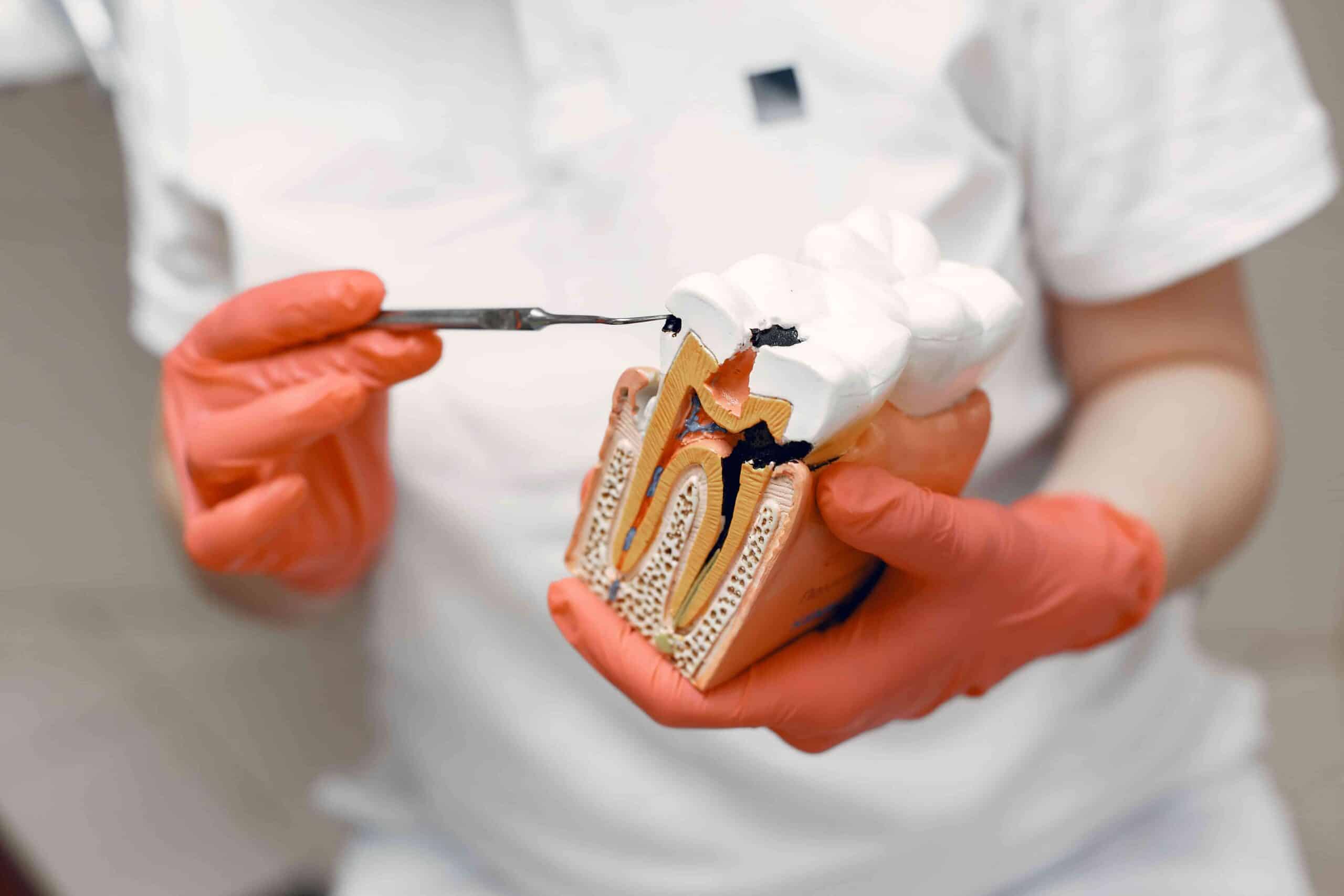
Immediate Steps After a Broken Tooth
The first few minutes matter most. Staying calm helps your child stay calm too, and a clear plan makes the situation easier to handle. Focus on safety, comfort, and protecting the tooth before you head to the dentist.
Assess the Damage and Pain
Take a close look at the broken tooth in good lighting. Notice whether it’s a small chip, a larger break, or a tooth that’s loose or pushed out of place. If you can find any broken pieces, save them in a small container with milk or saliva, since your dentist may be able to use them.
Check for bleeding, swelling, or sharp edges. If your child is in severe pain or you see significant bleeding, treat it as a dental emergency and seek help quickly.
Clean the Area Gently
Have your child rinse their mouth with warm water to clear away debris and any small fragments. This keeps the area clean and helps you see the injury more clearly. Avoid scrubbing the tooth or poking at it.
If there’s bleeding, press a clean piece of gauze or a damp tea bag against the area for several minutes. A cold compress on the outside of the cheek can reduce swelling and numb discomfort. The American Dental Association’s MouthHealthy site offers helpful first-aid guidance for dental injuries.
Temporary Solutions for a Broken Tooth at Home
Once the area is clean and bleeding is under control, you can use a few household and pharmacy items to protect the tooth. These options provide a temporary repair for a broken tooth—nothing more. Think of them as a short bridge to professional care, not a long-term solution.
Dental Wax or Sugar-Free Gum
If a sharp edge is irritating the tongue or cheek, dental wax can help. Soften a small piece with clean hands and press it gently over the rough edge. Orthodontic wax, often sold for braces, works well for this.
No wax on hand? A piece of softened sugar-free gum can cover a jagged edge temporarily. Just remember, this is a quick fix to prevent cuts, not a way to fix the tooth itself.
Temporary Dental Filling Kits
Many pharmacies sell temporary dental filling kits and dental cement. These products can cover an exposed area and reduce sensitivity for a short time. Follow the package directions carefully and use only a small amount.
For children, use extra caution and supervise closely to avoid swallowing the material. When in doubt, skip the kit and call your dentist for advice. These products are designed for very short-term use only.
Over-the-Counter Pain Relief
Pain relievers like acetaminophen or ibuprofen can ease discomfort. Always follow the dosing instructions for your child’s age and weight, and check with your pediatrician or pharmacist if you’re unsure. The American Academy of Pediatrics offers trusted guidance on safe medication use for kids.
Avoid placing aspirin directly on the gums or tooth, as this can burn the tissue. A cold compress on the cheek also helps numb the area naturally.
Diet Modifications
What your child eats can make a big difference while waiting to see the dentist. Stick to soft foods like yogurt, applesauce, smoothies, and mashed potatoes. Encourage chewing on the opposite side of the mouth.
Steer clear of very hot, cold, hard, sticky, or sugary foods, since these can increase pain or worsen the break. Keeping the diet gentle protects the tooth and reduces sensitivity.
Managing Specific Broken Tooth Issues
Not every broken tooth looks the same, and different situations call for slightly different care.
Below are common scenarios parents and patients face. Use these tips to stay comfortable until your appointment.
Broken Tooth Cutting Cheek
A broken tooth cutting the cheek can be both painful and frustrating. Sharp edges rub against soft tissue, leading to sores and irritation. Cover the jagged edge with dental wax or sugar-free gum to create a smooth, protective barrier.
Rinsing with warm salt water several times a day can soothe the cut and help keep it clean. If the cheek becomes swollen, very sore, or shows signs of infection, contact a dental professional right away.
Fixing a Chipped Tooth at Home (Temporarily)
A small chip may not hurt much, but it can leave a rough edge. For how to fix a chipped tooth at home temporarily, gently smooth nothing yourself—instead, cover the rough spot with dental wax to protect your tongue and cheek. Keep the area clean with regular rinsing.
Avoid using files, nail tools, or any DIY methods to reshape the tooth, as these can cause more harm. Save any chipped fragments and bring them to your appointment. Only a dentist can properly repair the chip.
Addressing a Cracked Tooth (Temporarily)
A cracked tooth can be harder to see, but it often causes pain when chewing or with temperature changes. To temporarily fix a cracked tooth and ease discomfort, avoid chewing on that side and stick to soft foods. A cold compress and over-the-counter pain relief can help manage symptoms.
Cracks can worsen quickly and sometimes reach deeper layers of the tooth. Because of this, prompt professional evaluation is especially important for a cracked tooth.
When to See a Dentist (and Why It’s Crucial)
At-home steps offer comfort, but they don’t heal a broken tooth. Seeing a dentist promptly protects your child’s smile and overall health. The sooner you act, the better the outcome.
The Importance of Professional Care
A dentist can assess the full extent of the damage, including parts you can’t see. Untreated breaks can lead to infection, nerve damage, or further decay. For children, early care also supports the healthy development of permanent teeth.
If your child is in pain, bleeding heavily, or has a tooth knocked out, treat it as urgent. Our emergency dentistry team works to see kids as quickly as possible. You can also learn more about our gentle pediatric dentistry approach designed just for children.
What to Expect at the Dentist
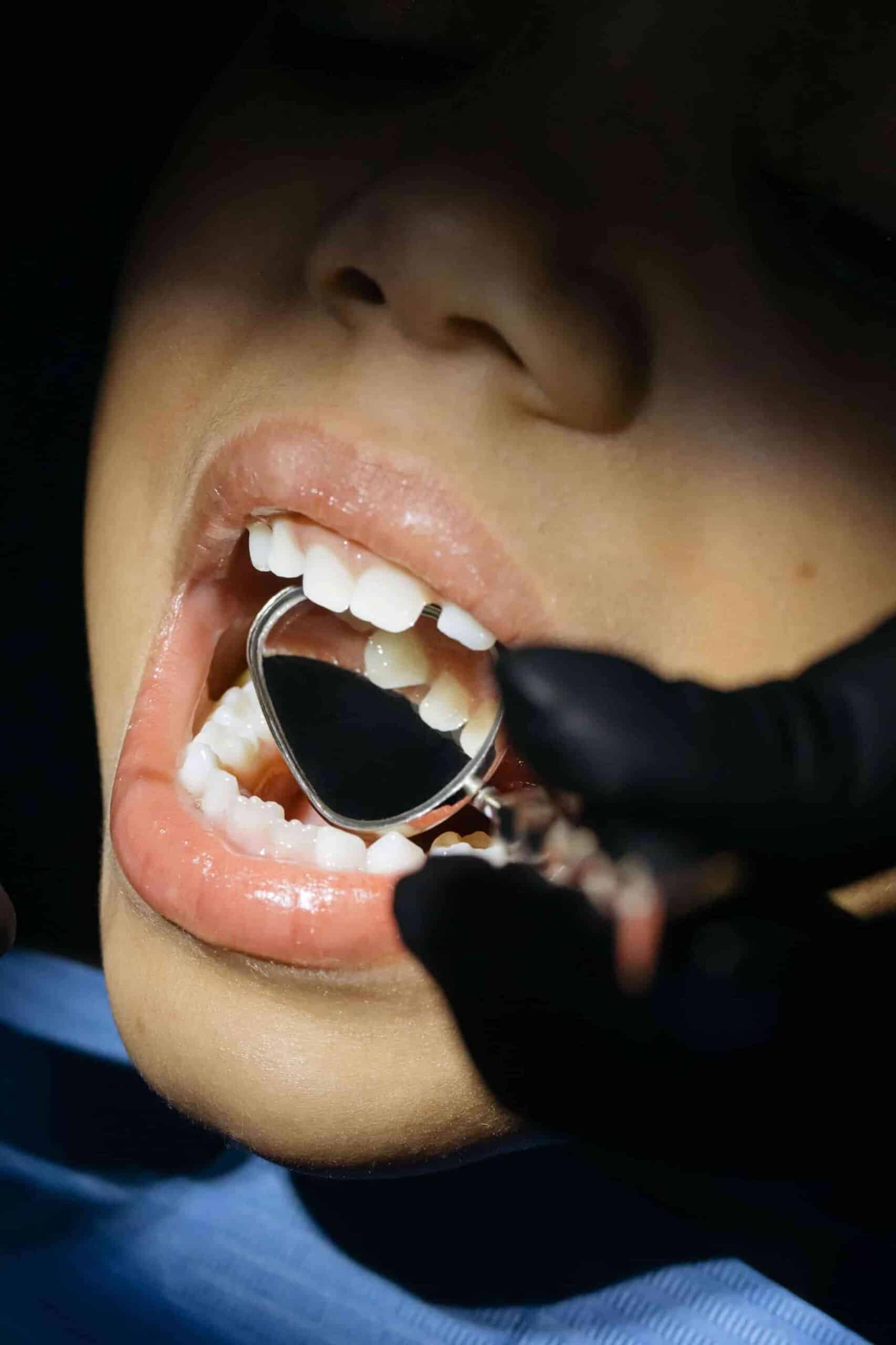
Your dentist will examine the tooth, possibly take an X-ray, and recommend treatment based on the type of break. Options may include bonding, a crown, or other repairs. For anxious children, sedation dentistry can make the visit calm and comfortable.
Our team focuses on minimally invasive treatments and a fear-free environment. You can read more about our practice and Dr. Dan to see how we care for young patients. When you’re ready, simply contact us to book a visit.
Preventing Future Tooth Breakage
A little prevention goes a long way toward protecting your child’s smile. Encourage a mouthguard during sports and active play, since this guards against impact injuries. Discourage chewing on ice, pens, or hard candy.
Strong daily habits also help. Brushing twice a day, flossing, and regular checkups keep teeth strong and catch small problems early. Some breaks tie into other concerns like grinding or breathing patterns, which is why services such as airway dentistry can support your child’s overall health. For trusted home-care tips, the Centers for Disease Control and Prevention shares helpful oral health resources.
FAQ
Parents often have follow-up questions after handling a broken tooth. Here are clear answers to the most common ones.
Q: Can I leave a broken tooth alone if it doesn’t hurt?
A: Even a painless break should be checked by a dentist. Hidden damage can lead to infection or larger problems over time.
Q: How long can a temporary fix last?
A: At-home measures are meant for a day or two at most. They simply protect and comfort until you can get professional care.
Q: Is dental cement safe for kids?
A: Use it with caution and close supervision, since young children may swallow it. When unsure, call your dentist for guidance first.
Q: What should I do if a baby tooth breaks?
A: Baby teeth still need attention, since they affect speech, eating, and adult teeth underneath. Rinse the area, manage discomfort, and schedule a visit.
Q: When is a broken tooth an emergency?
A: Severe pain, heavy bleeding, swelling, or a knocked-out tooth all call for urgent care. Contact a dental office right away in these cases.
Have Questions or Concerns?
A broken tooth is stressful, but you now know how to respond with calm, practical steps. From cleaning the area to using dental wax, the answer to “what can I use to cover a broken tooth” comes down to gentle, temporary protection while you arrange professional care. Remember, these tips ease discomfort but never replace a dentist’s treatment.
If your child has a broken, chipped, or cracked tooth, don’t wait. Contact Hawthorne Children’s Dental today so our caring team can restore that healthy smile quickly and comfortably.