
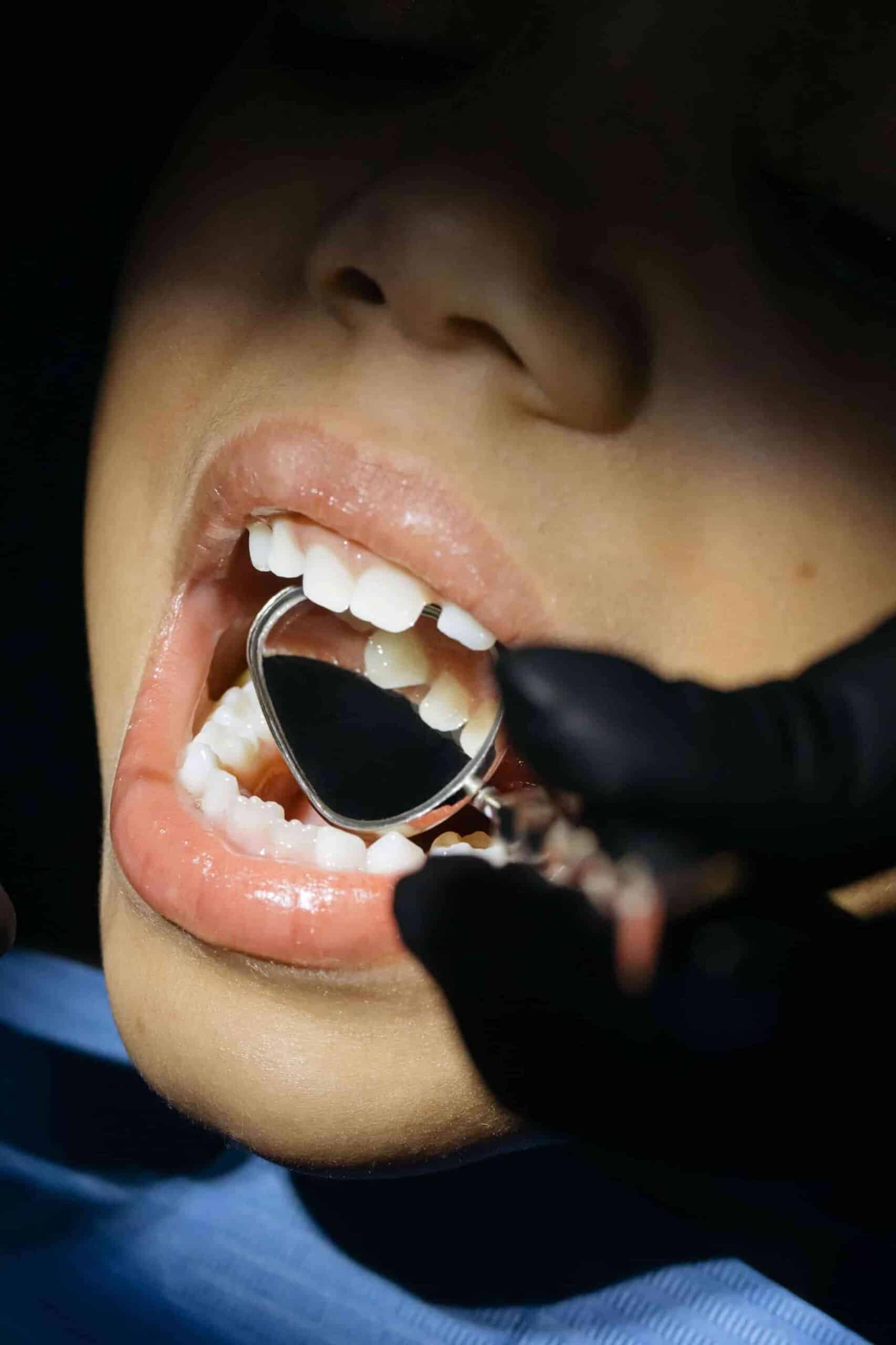
A cracked tooth at dinner or a filling that pops out before bed can send any parent scrambling for a quick fix. You may have heard that you can grab dental cement from the drugstore and patch the problem yourself. Sometimes that’s a reasonable short-term step, and sometimes it can make things worse. Knowing the difference matters for your child’s comfort and long-term oral health.
This guide explains what dental cement actually does, when a temporary home fix is acceptable, and when you need to call a dentist right away. We’ll walk through common problems people try to solve at home, the safe limits of DIY care, and how to protect your child’s smile while you wait for professional treatment. The goal is simple: help you make a calm, informed choice in a stressful moment.
Key Takeaways
- Temporary dental cement can hold a loose crown or cover a sensitive area for a day or two, but it is never a permanent repair.
- Most chipped teeth, lost fillings, and loose crowns need professional care to prevent infection, pain, and further damage.
- Avoid superglue, household adhesives, or any product not labeled for dental use, since these can harm soft tissue and teeth.
- A true dental emergency, like severe pain, swelling, bleeding, or a knocked-out tooth, calls for immediate professional help.
- The safest path is to stabilize the situation gently and contact your dentist as soon as possible.
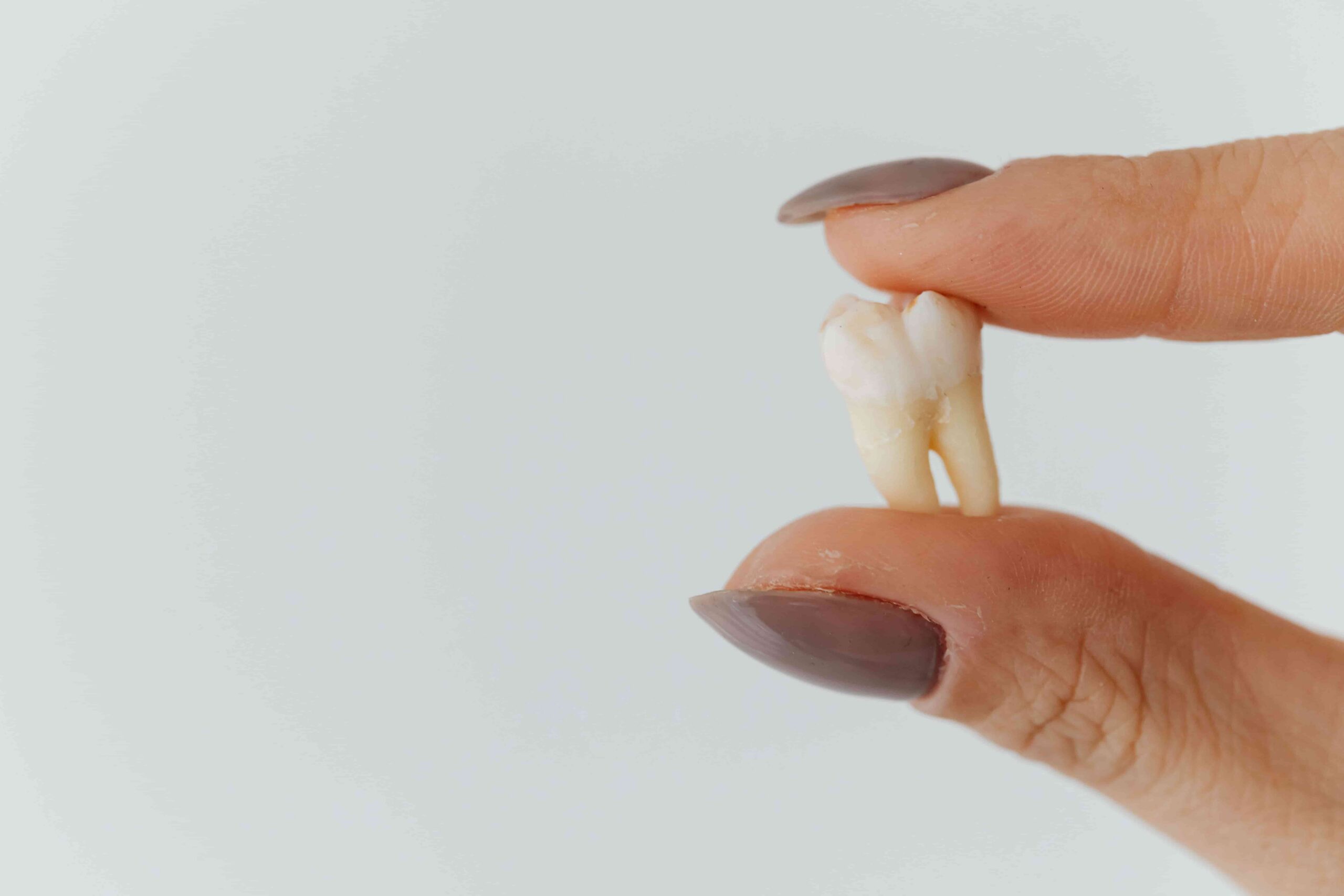
Understanding Dental Cement and Its Limitations
Dental cement sounds like a catch-all repair tool, but it serves a much narrower purpose than most people expect. Before you reach for a kit, it helps to understand what the product can and cannot do. That knowledge keeps you from trusting a temporary patch when your child really needs a dentist.
What Is Dental Cement?
Dental cement is a material dentists use to bond crowns, bridges, and other restorations to teeth, or to protect exposed areas for a short time. Over-the-counter versions sold for home use are intentionally weak and temporary. They are designed to hold a loose crown in place or soothe a sensitive spot until you can get professional care.
Professional-grade cement is mixed, placed, and cured under controlled conditions by a trained provider. The drugstore version cannot match that strength or durability. Think of it as a bandage, not a cure.
Why You Shouldn’t Use DIY Solutions for Permanent Fixes
A home patch may feel solid for a day, but it cannot seal a tooth the way professional treatment does. Bacteria can slip beneath a weak repair and cause decay or infection without any obvious warning. By the time pain appears, the problem is often larger and more expensive to treat.
DIY fixes also hide the underlying issue. A lost filling or cracked tooth points to damage that needs a proper diagnosis. Covering it up can delay the care your child genuinely needs, which is why our pediatric dentistry team always recommends a professional evaluation after any temporary fix.
Common Dental Problems People Try to Fix at Home
When something goes wrong with a tooth, the instinct to handle it yourself is understandable. Still, each of these common issues carries risks that are easy to underestimate. Here’s an honest look at what home repair can and can’t do.
Chipped Teeth: A Temporary Patch vs. Professional Repair
Fixing a chipped tooth at home usually means smoothing a rough edge or covering a sensitive spot. Dental wax or temporary cement can reduce irritation to the tongue and cheek for a short time. That can buy comfort, but it does nothing to repair the tooth itself.
A chip can expose the inner layers of the tooth, leaving it vulnerable to pain and decay. Only a dentist can determine whether your child needs bonding, a crown, or further treatment. If the chip is deep, painful, or bleeding, treat it as urgent and seek emergency dentistry care.
Lost Fillings: The Dangers of Incomplete Solutions
Learning how to fix a broken filling at home often leads people to temporary filling material from the pharmacy. This can shield an exposed cavity for a day or two and ease sensitivity to hot and cold. It is a stopgap, not a solution.
The open space left by a lost filling exposes soft inner tissue to bacteria and food debris. Left untreated, this can progress to infection or an abscess. The American Dental Association’s patient resource, MouthHealthy, echoes this: temporary measures should always be followed by a professional repair.
Loose Crowns: Why a Quick Fix Isn’t a Good Fix
A loose crown can sometimes be reseated with temporary dental cement to protect the tooth underneath. This keeps the crown from being lost or swallowed and reduces sensitivity. Even so, a crown that won’t stay put signals a problem with the fit, the cement, or the tooth beneath it.
Reseating a crown incorrectly can trap bacteria or damage the remaining tooth structure. A dentist needs to clean, inspect, and properly re-cement the crown to keep it working. A quick fix at home should never replace that step.
When Is a DIY Dental Cement Fix Acceptable (and What to Use)?
There are limited moments when a careful home fix makes sense, usually when you can’t reach a dentist immediately. The keyword is temporary. Used correctly, dental cement can ease discomfort and protect a tooth for a short window of time.
Emergency Situations: What to Do Until You See a Dentist
If a crown comes off in the evening or a filling falls out over a weekend, a temporary fix can hold things together until morning. Rinse your child’s mouth gently with warm water and keep the area clean. Save any crown or fragment in a small container to bring to the appointment.
For severe symptoms, skip the home fix entirely. Significant pain, swelling, fever, heavy bleeding, or a knocked-out permanent tooth all need prompt professional attention. Our team makes every effort to see urgent cases quickly, so contact us right away in these situations.
Temporary Dental Cement: A Short-Term Solution
Over-the-counter temporary dental cement is the only adhesive you should consider for a home fix. Never use superglue, craft glue, or any household adhesive, since these are toxic and can damage gums and teeth. Look for products clearly labeled for dental use and follow the package directions exactly.
Even with the right product, the cement is only meant to last a day or two. It is not strong enough to chew on heavily or to replace a real repair. Treat it as a bridge to your dental appointment, nothing more.
Step-by-Step: How to Apply Dental Cement at Home (with Caveats)
If you’ve decided a temporary fix is appropriate while you wait for care, here is a safe approach to applying dental cement at home. These steps focus on gentle, short-term stabilization only.
- Wash your hands and rinse your child’s mouth with warm water to remove debris.
- Gently dry the tooth and the crown or affected area with a clean cotton swab or gauze.
- Apply a small amount of temporary dental cement following the package instructions.
- For a loose crown, seat it carefully over the tooth and have your child bite down gently to position it.
- Wipe away any excess cement and avoid chewing on that side.
- Call your dentist to schedule a prompt evaluation.
These steps are not a substitute for professional care. If your child feels pain, the fit seems off, or anything feels uncertain, stop and call your dentist instead.
The Importance of Professional Dental Care
A temporary fix can get you through the night, but lasting oral health depends on professional treatment. Dentists do more than repair damage; they catch small problems before they grow. For children, especially, that early attention sets the stage for a healthy adult smile.
Why Dentists Are Essential for Long-Term Oral Health
A dentist can diagnose the true cause of a chip, lost filling, or loose crown and treat it properly. Our team brings over 1,000 hours of advanced training and more than a decade of pediatric experience to every visit. That expertise allows us to offer minimally invasive treatments that keep your child comfortable while protecting the tooth.
We also tailor care to each child’s needs and personality. For anxious patients, gentle sedation dentistry options help them feel safe and relaxed.
Preventative Care and Regular Check-ups
Many home emergencies trace back to issues that a routine visit could have caught early. Regular check-ups let us spot weak fillings, small cracks, and developing cavities before they fail. The Centers for Disease Control and Prevention reinforces how strongly prevention protects children’s teeth.
Beyond cavities, we look at the bigger picture of your child’s health, including their breathing and sleep. Our airway dentistry services help identify concerns that affect growth and development. Prevention is always easier and gentler than repair.
The Dangers of Neglecting Dental Issues
Putting off care after a home fix can turn a minor problem into a painful one. An exposed tooth can lead to infection, abscess, or the loss of a tooth that could have been saved. Untreated pain can also make eating, sleeping, and concentrating harder for your child.
The good news is that prompt care almost always prevents these outcomes. A temporary fix followed by a timely appointment keeps small problems small. That’s the safest combination for your child’s smile.
FAQ
Q: Is it safe to use superglue to fix my child’s tooth?
A: No. Superglue and other household adhesives are toxic and can seriously harm gums, teeth, and soft tissue, so you should only ever use products labeled for dental use. If you’re searching for how to fix my teeth at home with random adhesives, stop and call your dentist instead.
Q: How long can temporary dental cement last?
A: It is designed to hold for only a day or two at most. Use it to stabilize the situation, avoid chewing on that side, and schedule a professional visit as soon as possible.
Q: What counts as a true dental emergency?
A: Severe pain, facial swelling, fever, heavy bleeding, or a knocked-out permanent tooth all require immediate professional care. In these cases, skip the home fix and call us right away.
Q: Can a chipped baby tooth be left alone?
A: Not always, since even a baby tooth can be painful or become infected. A quick exam lets us decide whether it needs treatment or simple monitoring.
Q: Will my child need a crown or filling replaced after a home fix?
A: Most likely, yes. A temporary patch protects the tooth briefly, but a dentist must complete the proper repair to keep it healthy.
Conclusion: Prioritize Your Oral Health
A home fix can be a helpful short-term step when a crown loosens or a filling falls out, but it is never a permanent repair. Use only dental-grade temporary cement, keep the area clean, and treat any serious symptoms as an emergency. Most importantly, follow every home fix with a prompt professional visit to protect your child’s smile.
Your child deserves compassionate, expert care in a calm and welcoming setting. If you’re dealing with a dental issue right now or simply want to schedule a check-up, reach out to Hawthorne Children’s Dental today. We’re here to help your child feel comfortable, healthy, and proud of their smile.