To prepare Inglewood children for the school year, California law requires a dental assessment by May 31 of their first public school year. Parents should establish daily brushing routines, provide ADA-approved tooth-healthy foods, and schedule a pediatric dental checkup to prevent cavities and ensure academic success.
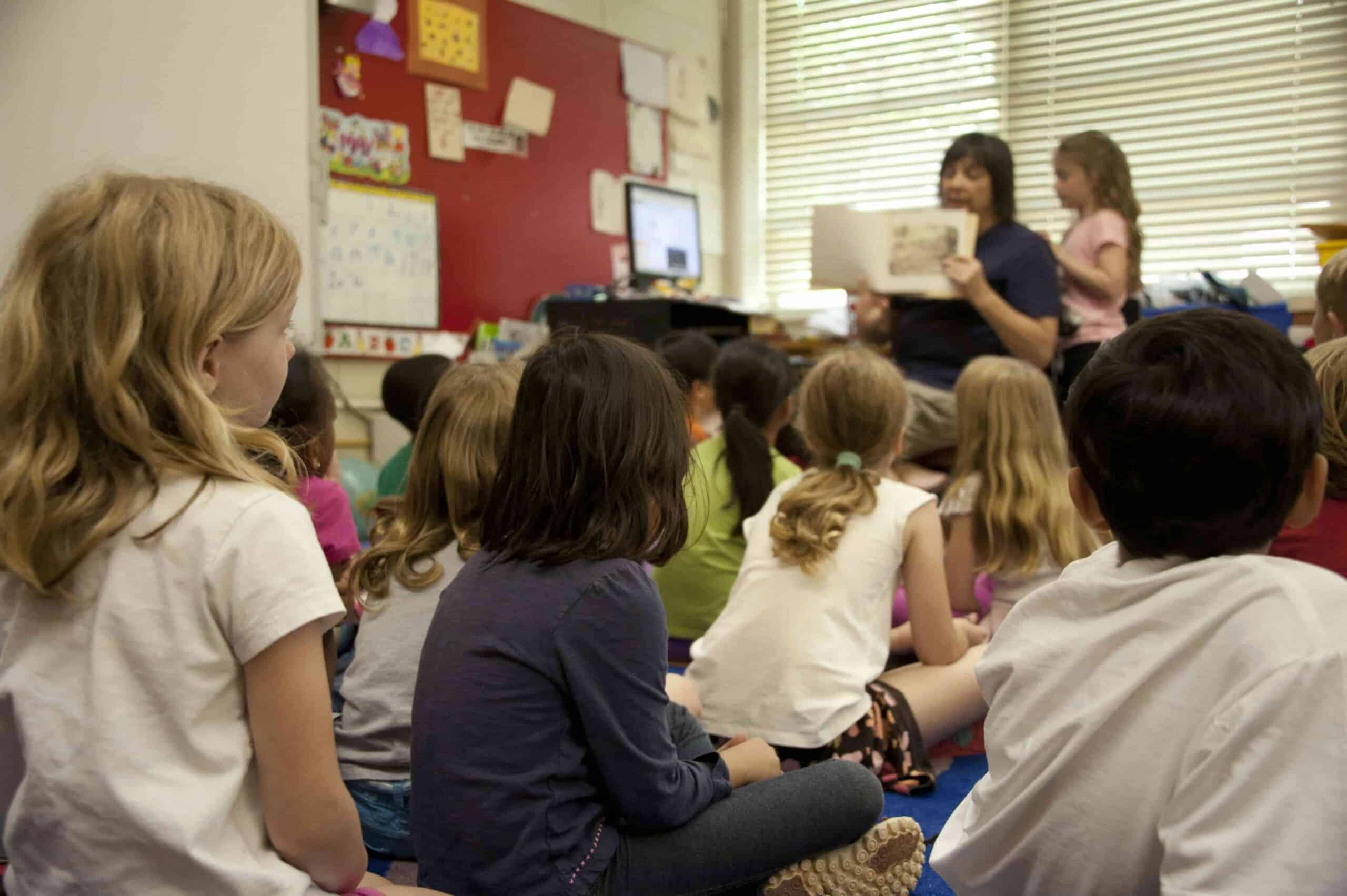
As summer winds down and back-to-school shopping begins across Inglewood, parents often focus on backpacks, notebooks, and new shoes. However, one of the most critical items on your back-to-school checklist should be your child’s oral health. The California Dental Association notes that dental disease is one of the leading causes of school absences, making preventative dental care a vital component of your child’s academic success.
California law (AB 1433) even requires that children entering kindergarten or first grade in public schools have a formal oral health assessment by May 31. This legislation aims to identify children suffering from untreated dental disease early on, ensuring that tooth pain does not interfere with their ability to learn and thrive in the classroom.
According to the Centers for Disease Control and Prevention [CDC, 2024], approximately 46% of children ages 2 to 19 have untreated or restored dental caries. Addressing these issues before the school bell rings helps Inglewood and Hawthorne students stay focused on their studies rather than struggling with preventable toothaches.
Key Takeaways:
- Regular dental check-ups are crucial for catching cavities before they cause school absences.
- Consistent brushing and flossing habits form the foundation of a healthy smile.
- Tooth-friendly nutrition directly supports strong enamel and overall health.
- Athletic mouthguards are essential for protecting teeth during school sports.
- Addressing dental anxiety early ensures your child receives necessary care without stress.

How does daily dental care impact children’s school success in Inglewood?
Establishing a solid daily dental routine is the most effective way to prevent oral health issues that can distract children from their schoolwork. When students experience tooth pain, their concentration drops, their sleep suffers, and their academic performance often declines.
Building consistent habits at home is the first line of defense against tooth decay.
What are the best brushing techniques and tools for kids?
Children should brush their teeth twice a day for two minutes using a fluoride toothpaste. Parents should assist younger children with brushing until they develop the manual dexterity to do it effectively on their own, usually around age seven or eight.
Using a soft-bristled toothbrush or an electric option like a Sonicare toothbrush helps remove plaque without damaging delicate gum tissue.
Why is flossing important for children’s dental health?
Brushing alone only cleans about 60% of the tooth’s surface, leaving the spaces between teeth vulnerable to decay-causing bacteria. Flossing removes food particles and plaque from these hard-to-reach areas, preventing cavities from forming between the teeth.
Parents should introduce flossing as soon as their child has two teeth that touch.
Should school-aged children use mouthwash daily?
Mouthwash can provide an additional layer of protection against cavities, but it should not replace brushing and flossing. Choose an alcohol-free, fluoride mouthwash designed specifically for children.
Only introduce mouthwash when your child is old enough to reliably spit the liquid out rather than swallowing it, typically around age six.
Which foods and drinks best support children’s dental health?
A child’s diet plays a massive role in their oral health, especially during the busy school year when snacking becomes frequent. Providing the right nutrients helps strengthen tooth enamel, while limiting certain foods reduces the risk of cavity formation.
Knowing which foods to pack in school lunches can significantly impact your child’s dental wellness.
What are the ADA-recommended tooth-friendly foods for kids?
The American Dental Association recommends a balanced diet rich in calcium, phosphorus, and vitamins to support healthy teeth.
Dairy products like cheese and yogurt help remineralize tooth enamel, while leafy greens and crunchy vegetables like carrots stimulate saliva production, which naturally washes away harmful bacteria.
How do sugary snacks and drinks cause cavities?
When children consume sugary snacks and beverages, the naturally occurring bacteria in their mouths feed on the sugar and produce harmful acids. These acids attack the tooth enamel, eventually leading to decay and cavities.
Limiting fruit snacks, sodas, and sticky candies in school lunches is a highly effective way to protect your child’s smile.
Why is drinking water crucial for oral health?
Water is the best beverage choice for maintaining excellent oral health throughout the school day. Drinking water, especially fluoridated tap water, helps strengthen teeth and washes away leftover food particles after meals.
Sending your child to school with a reusable water bottle encourages them to stay hydrated and keeps their mouth clean.
What essential dental care do school kids need beyond daily brushing?
While at-home care is vital, professional dental interventions provide a level of protection that brushing and flossing cannot match. Pediatric dentists offer specialized treatments that shield growing teeth from decay and monitor the overall development of your child’s mouth.
Regular professional care is a cornerstone of pediatric health.
How can parents find the right pediatric dentist near Inglewood?
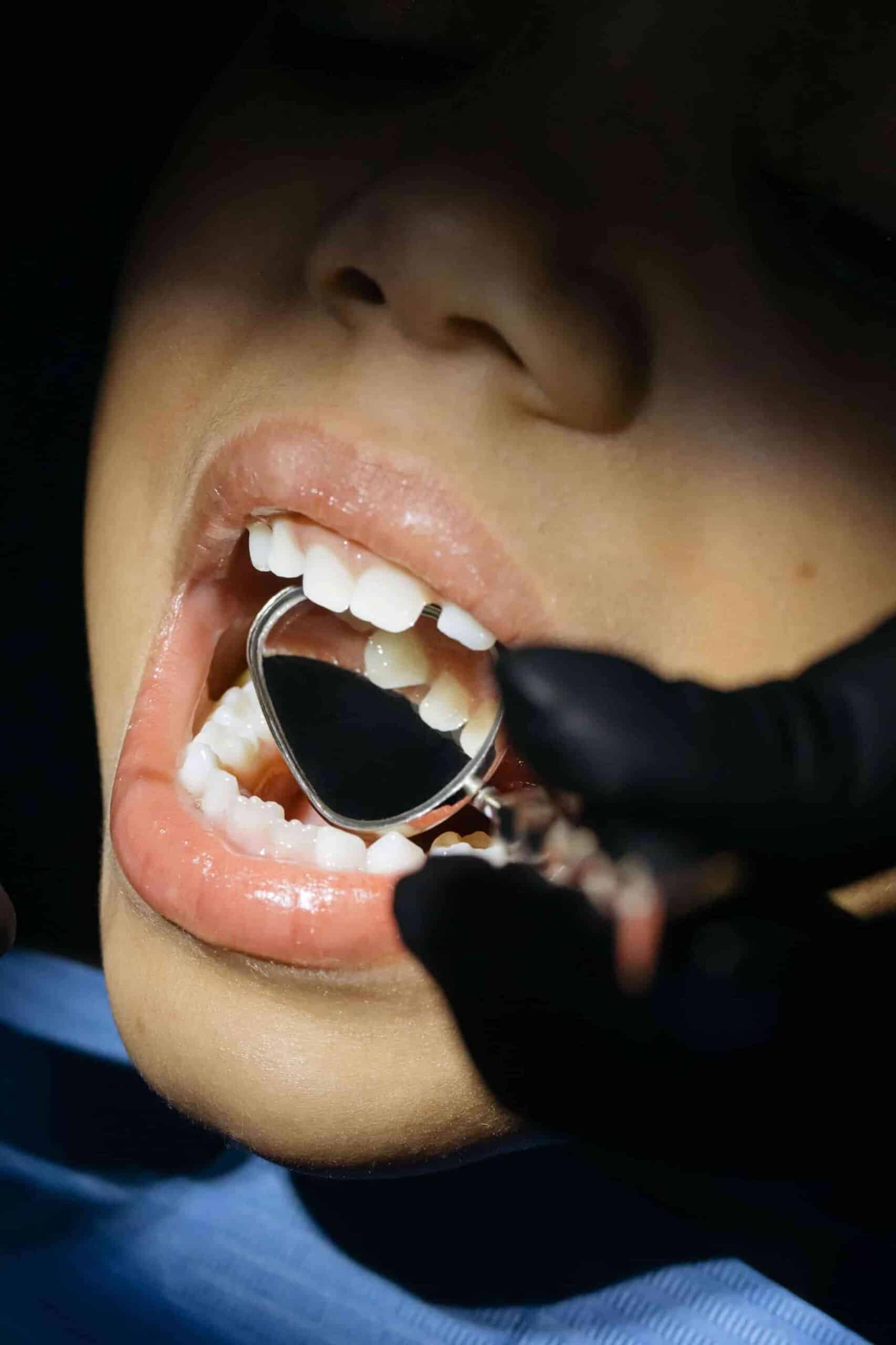
Finding a specialized pediatric dentist ensures your child receives care tailored to their unique developmental needs. Hawthorne Children’s Dental, located conveniently near Inglewood, specializes in pediatric care and offers comprehensive services ranging from routine cleanings to airway evaluations.
Parents should look for practices that prioritize minimally invasive treatments and a kid-friendly environment.
What are the benefits of dental sealants and fluoride treatments?
Dental sealants are thin, protective coatings painted onto the chewing surfaces of the back teeth to prevent food and bacteria from getting trapped in the deep grooves.
The CDC states that sealants protect against 80% of cavities for two years. Combined with professional fluoride treatments, sealants offer robust protection for school-aged children.
When should children receive an orthodontic evaluation for braces?
The American Association of Orthodontists recommends that children receive their first comprehensive orthodontic evaluation by age seven. At this age, a pediatric dentist or orthodontist can identify potential issues with jaw growth and emerging permanent teeth.
Early detection often allows for interceptive treatments that can simplify or even eliminate the need for extensive braces later on.
How can parents protect children’s teeth during sports and accidents?
With the school year comes the return of physical education classes, recess, and after-school sports programs. These activities are excellent for physical health but pose a risk of dental trauma.
Taking proactive steps can save your child from painful injuries and costly emergency dental procedures.
Why are sports mouthguards essential for school athletes?
The American Dental Association strongly advises the use of sports mouthguards for children participating in contact sports or activities with a high fall risk. A properly fitted mouthguard cushions blows to the face, minimizing the risk of broken teeth, cut lips, and even jaw injuries.
Choose a custom-fitted mouthguard from your pediatric dentist if comfort and optimal protection are your top priorities.
What steps should parents take during a dental emergency?
If a child experiences a dental emergency, such as a knocked-out tooth or severe toothache, prompt action is critical.
For a knocked-out permanent tooth, keep it moist in a glass of milk and contact an emergency pediatric dentist immediately.
How can pediatric dentists help ease a child’s dental anxiety?
Dental anxiety is a common barrier that prevents many children from receiving the preventative care they need. When a child fears the dentist, routine appointments become stressful for both the child and the parent.
Fortunately, modern pediatric dentistry offers numerous strategies to make dental visits comfortable and even enjoyable.
What is the best way to talk to children about the dentist?
Parents should speak about dental visits using positive, child-friendly language. Avoid using words that might cause fear, such as “pain,” “shot,” or “drill.” Instead, explain that the dentist is a friendly doctor who helps keep their smile strong and healthy.
Reading books about visiting the dentist can also help demystify the experience.
What sedation options are available for stress-free dental visits?
For children who experience severe anxiety or require extensive treatment, sedation dentistry offers a safe and effective solution. Options like Nitrous Oxide (laughing gas) help raise the child’s pain tolerance and induce a state of relaxation.
This allows the pediatric dentist to complete the necessary work while the child remains completely comfortable and fear-free.
Why does a child-friendly practice environment matter?
A practice designed specifically for children helps distract and soothe young patients the moment they walk through the door. Pediatric dental offices often feature bright colors, toys, and a staff trained specifically in child psychology and behavior management.
This welcoming environment builds trust, helping children feel safe and confident during their dental appointments.

Frequently Asked Questions about Children’s Dental Health
Q: How often should my school-aged child see the dentist?
A: Pediatric dentists recommend that children visit the dental office every six months for a routine check-up and professional cleaning. These regular visits allow the dentist to monitor the development of permanent teeth, apply preventative treatments like fluoride, and catch any minor cavities before they become painful issues that disrupt school attendance.
Q: My child plays soccer; do they really need a mouthguard?
A: Yes, athletic mouthguards are highly recommended for any sport where there is a risk of contact with other players, equipment, or the ground. Even in non-contact sports like soccer, accidental collisions and falls are common causes of dental trauma. A mouthguard provides a crucial layer of protection against broken teeth and jaw injuries.
Q: What are dental sealants, and are they actually necessary?
A: Dental sealants are thin plastic coatings applied to the chewing surfaces of the back molars, where most cavities in children occur. While not strictly mandatory, they are highly recommended because they act as a physical barrier against cavity-causing bacteria. Sealants are a painless, cost-effective way to protect teeth that are notoriously difficult for children to keep clean.
Q: How can I help my child overcome a severe fear of the dentist?
A: Start by validating their feelings and discussing the visit using positive, non-threatening language. Choose a specialized pediatric dentist who offers a kid-friendly environment and has experience managing dental anxiety. If the fear persists, ask the dental provider about safe sedation options like laughing gas to help your child relax during their appointment.
Setting Up Your Inglewood Student for a Healthy School Year
Ensuring your child has a healthy smile is just as important as equipping them with the right school supplies. By prioritizing daily brushing, providing nutritious snacks, and scheduling professional assessments in accordance with California guidelines, you are setting your child up for academic and personal success.
Don’t let preventable dental pain get in the way of learning. Contact a trusted local provider like Hawthorne Children’s Dental today to schedule your back-to-school checkup.