There are few things more annoying—and surprisingly painful—than a canker sore. One day you are fine, and the next, a tiny, angry spot inside your mouth is making it difficult to eat your favorite foods, brush your teeth, or even speak clearly. For both adults and children, this discomfort can be even more distressing, leading to fussiness and a refusal to eat or drink.
Most of us are used to the “wait and see” approach. We apply over-the-counter gels that numb the area for twenty minutes, rinse with salt water, and hope the sore goes away within a week or two. But dental technology has advanced significantly, and there is now a much faster way to find relief.
Laser therapy is changing the way we handle these painful mouth ulcers. Instead of waiting days for healing to begin, laser treatment can eliminate the pain almost instantly and drastically reduce healing time. If you or your child suffers from recurrent sores, understanding how laser dentistry for canker sores works could change your approach to oral health comfort entirely.
Key Takeaways
- Immediate Pain Relief: Laser therapy can provide near-instant relief from the discomfort of canker sores.
- Faster Healing: Treatment with lasers significantly speeds up the healing process compared to traditional methods.
- Non-Invasive Solution: The procedure is gentle and does not require any incisions or stitches.
- Reduced Recurrence: Regular laser treatment may help reduce the frequency and severity of canker sore outbreaks.
- Child-Friendly Option: Laser therapy is safe and effective for children who suffer from recurrent mouth ulcers.
What Are Canker Sores?
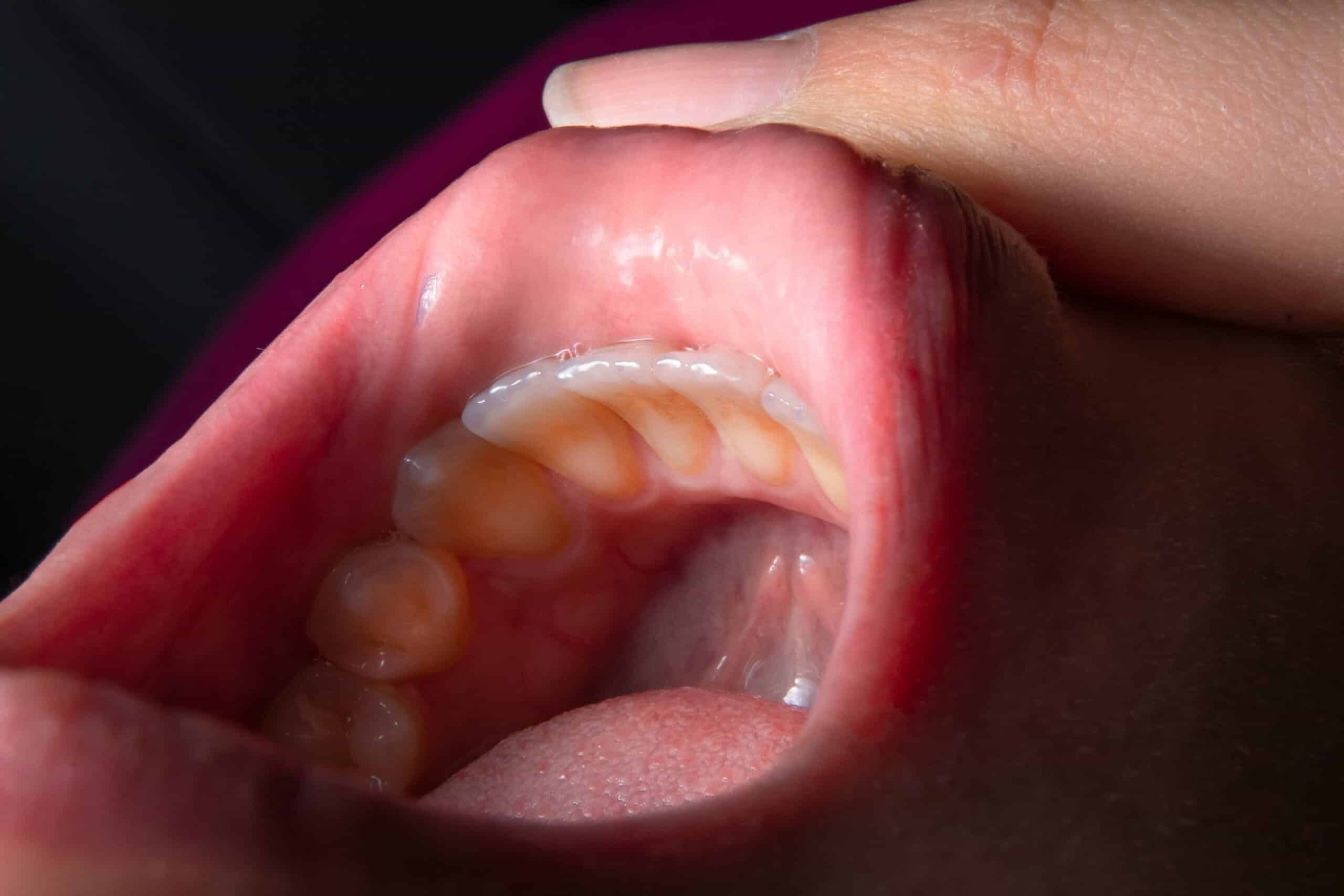
Before diving into the solution, it helps to understand the problem. Canker sores, clinically known as aphthous ulcers, are small, shallow lesions that develop on the soft tissues in your mouth or at the base of your gums.
Unlike cold sores, canker sores do not occur on the surface of your lips and are not contagious.
Common Symptoms and Causes
These sores typically appear as round or oval spots with a white or yellow center and a red border.
They can be triggered by a variety of factors, including:
- Minor injury: Biting the inside of the cheek or irritation from braces.
- Diet: Sensitivities to acidic foods like lemons, pineapples, or spicy ingredients.
- Stress: Emotional stress is a major trigger for many people.
- Nutritional deficiencies: Lack of vitamin B-12, zinc, folate, or iron.
Canker Sores vs. Cold Sores
It is crucial to distinguish between the two. Cold sores are caused by the herpes simplex virus and are highly contagious.
They usually appear as fluid-filled blisters on the lips. Canker sores occur inside the mouth, cannot be spread to others, and usually heal on their own, eventually.
The Limits of Traditional Treatments
For decades, the standard advice for a canker sore was simply to manage the pain while the body healed itself. You might head to the pharmacy for topical creams or gels containing benzocaine. While these products do numb the area, the effect is fleeting. As soon as the numbness wears off, the stinging sensation returns.
Home remedies like rinsing with salt water or baking soda mixtures can help keep the area clean, but they don’t necessarily speed up the biological healing process. Essentially, traditional treatments are band-aids; they cover the symptom but don’t address the source of the pain or accelerate recovery.
This is where laser therapy canker sore treatment bridges the gap.
The Benefits of Laser Treatment
Using soft tissue lasers for oral lesions is a game-changer in dentistry. This high-tech approach offers benefits that topical creams simply cannot match.
Immediate Pain Relief
The most significant benefit is the speed of relief. The laser energy targets the nerve endings in the lesion. By sealing these nerve endings, the laser effectively stops them from sending pain signals to the brain.
Most patients report that the stinging sensation vanishes immediately after the procedure.
Faster Healing
Mouth ulcer laser treatment does more than just stop pain; it bio-stimulates the tissue. The laser energy increases blood circulation and promotes cellular renewal, which kickstarts the healing process.
A sore that might typically take 10 to 14 days to resolve can often heal in just 2 or 3 days following laser therapy.
Prevention of Recurrence
One of the most fascinating aspects of this treatment is its long-term effect. Clinical observations suggest that after a canker sore is treated with a laser, it is less likely to return in that exact same spot.
For patients who get recurring ulcers in the same area, this can provide lasting relief.
What to Expect During the Procedure
The term “canker sore surgery” might sound intimidating, but the reality is far from a surgical experience.
It is a non-invasive, quick, and gentle procedure.
- Preparation: The dentist will have the patient wear protective eyewear to shield their eyes from the laser light.
- Anesthesia: In many cases, the procedure is so painless that no anesthesia is required. However, for sensitive patients or children, a small amount of topical anesthetic gel can be applied to numb the surface.
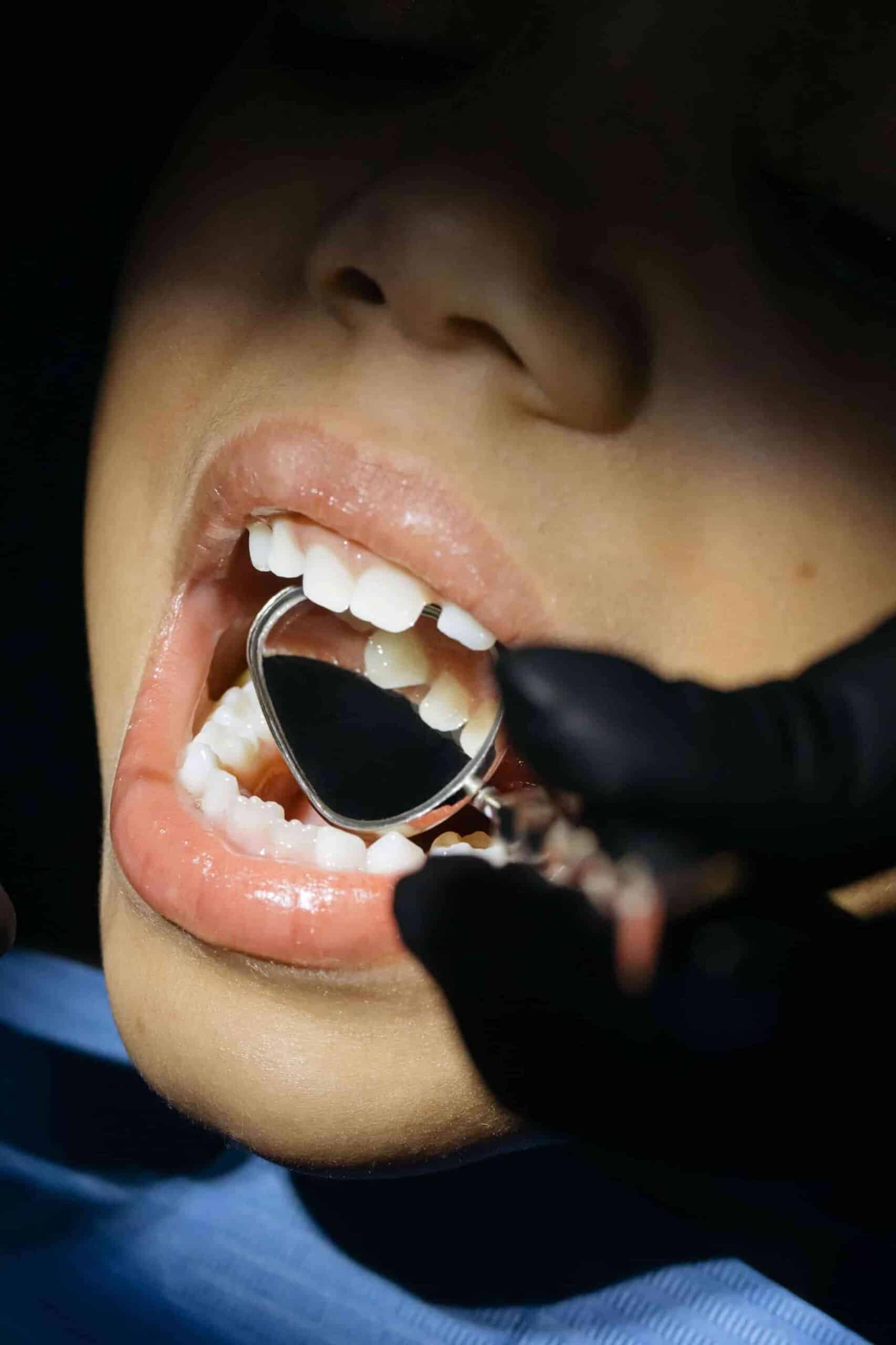
- Laser Application: The dentist uses a handheld laser wand. The tip of the wand does not actually touch the sore; it hovers just above it. The laser energy is applied in a circular motion for about one to two minutes.
- Sensation: Patients typically feel a sensation of warmth. There is no cutting, no bleeding, and no stitches involved.
The entire process takes only a few minutes, making it easy to add to a regular check-up or a quick emergency visit.
Why Dental Professionals Recommend It
Dentists, particularly those in pediatric care, recommend laser dentistry treatment because it transforms a miserable week into a non-issue. It prevents the patient from altering their diet or oral hygiene habits due to pain. When a child has a painful sore, they often stop brushing that area of their mouth, leading to plaque buildup and potential cavities. By eliminating the pain instantly, we ensure that oral hygiene routines stay on track.
Furthermore, high patient satisfaction drives this recommendation. The relief is tangible and immediate, which is rare in many medical treatments that require waiting periods to see results.
Who Is a Good Candidate?
Almost anyone suffering from a canker sore is a candidate for laser treatment for canker sores, but it is particularly beneficial for specific groups.
- Children: Kids have a lower pain threshold and difficulty understanding why they can’t eat their favorite snack. The quick, “magic wand” nature of the laser makes it an excellent option for pediatric patients.
- Orthodontic Patients: Kids or teens with braces often get sores from brackets rubbing against their cheeks. Laser treatment provides relief and helps the tissue toughen up.
- Recurrent Sufferers: Adults who get canker sores frequently due to stress or acidic diets will find this treatment restores their quality of life.
Aftercare and Prevention
Post-treatment care is incredibly simple. Because the nerve endings are sealed, you can usually eat and drink immediately after leaving the dental office. However, it is generally smart to avoid extremely spicy or acidic foods for 24 hours to allow the tissue to recover fully.
To prevent future sores, consider tracking what you eat to identify triggers. If you notice sores popping up during high-stress periods, stress-management techniques may help. Switching to a toothpaste free of sodium lauryl sulfate (SLS) has also been shown to reduce outbreaks in some people.
Frequently Asked Questions
Q: Is the laser treatment expensive?
A: The cost can vary depending on your specific dental plan. However, because it is a quick, standalone procedure, it is often very affordable, especially when weighed against the cost of over-the-counter medications and days of discomfort.
Q: Is it safe for young children?
A: Yes. Lasers are extremely safe when used by trained professionals. The laser is specific to soft tissue and does not harm teeth or bone.
Q: Does it work on cold sores too?
A: Yes, laser treatment can be effective for cold sores (herpes labialis) if caught in the early “tingling” stage. It can reduce the duration of the outbreak and the discomfort.
Final Thoughts
You do not have to endure the stinging pain of a mouth ulcer for two weeks. Laser therapy canker sore treatment offers a modern, scientifically proven alternative to traditional gels and waiting games. It provides immediate pain relief, significantly speeds up healing, and gets you or your child back to smiling and eating comfortably in no time.
If you have a sore that just won’t go away, or if you simply want to skip the days of discomfort, reach out to your dentist. It is a five-minute appointment that can make a world of difference.
At Hawthorne Children’s Dental, we understand that even small dental issues can cause big anxiety for children. Dr. Dan Klein and our team are dedicated to providing compassionate, expert care in a fun and welcoming environment right here in Hawthorne, CA.
We utilize the latest technology, including laser therapy, to ensure our treatments are as minimally invasive and comfortable as possible. Whether you are looking for mouth ulcer laser treatment to help your child eat comfortably again or need a routine check-up in a fear-free setting, we are here to help.
Don’t let a canker sore ruin your child’s week. Call us at 213-444-4203 to schedule a quick relief appointment today.