
Navigating the healthcare system often feels like walking through a maze without a map, especially when it involves your child’s well-being. As a parent in California, you want the absolute best for your little one—a healthy smile, a comfortable experience, and a dentist they trust.
However, the financial aspect of high-quality dental care can sometimes become a barrier.
The cost of specialized care should never prevent a child from receiving the treatment they need. Whether it is a routine cleaning or an urgent emergency procedure, understanding your financial options is just as important as understanding the treatment itself. Fortunately, many dental offices now offer a variety of flexible payment structures designed to fit different budgets.
By knowing what to look for, you can secure a plan that keeps your child’s smile bright without breaking the bank.
Key Takeaways
- Specialized Care Matters: Pediatric dentists offer tailored services like sedation and airway evaluation that general dentists may not provide.
- Diverse Payment Methods: From cryptocurrency to CareCredit, modern dental offices offer more ways to pay than ever before.
- Insurance Utilization: Maximizing PPO, HMO, or Medi-Cal benefits is the first step toward affordability.
- Transparency is Key: The best providers offer payment calculators and clear financial policies upfront.

Overview of Pediatric Dental Services
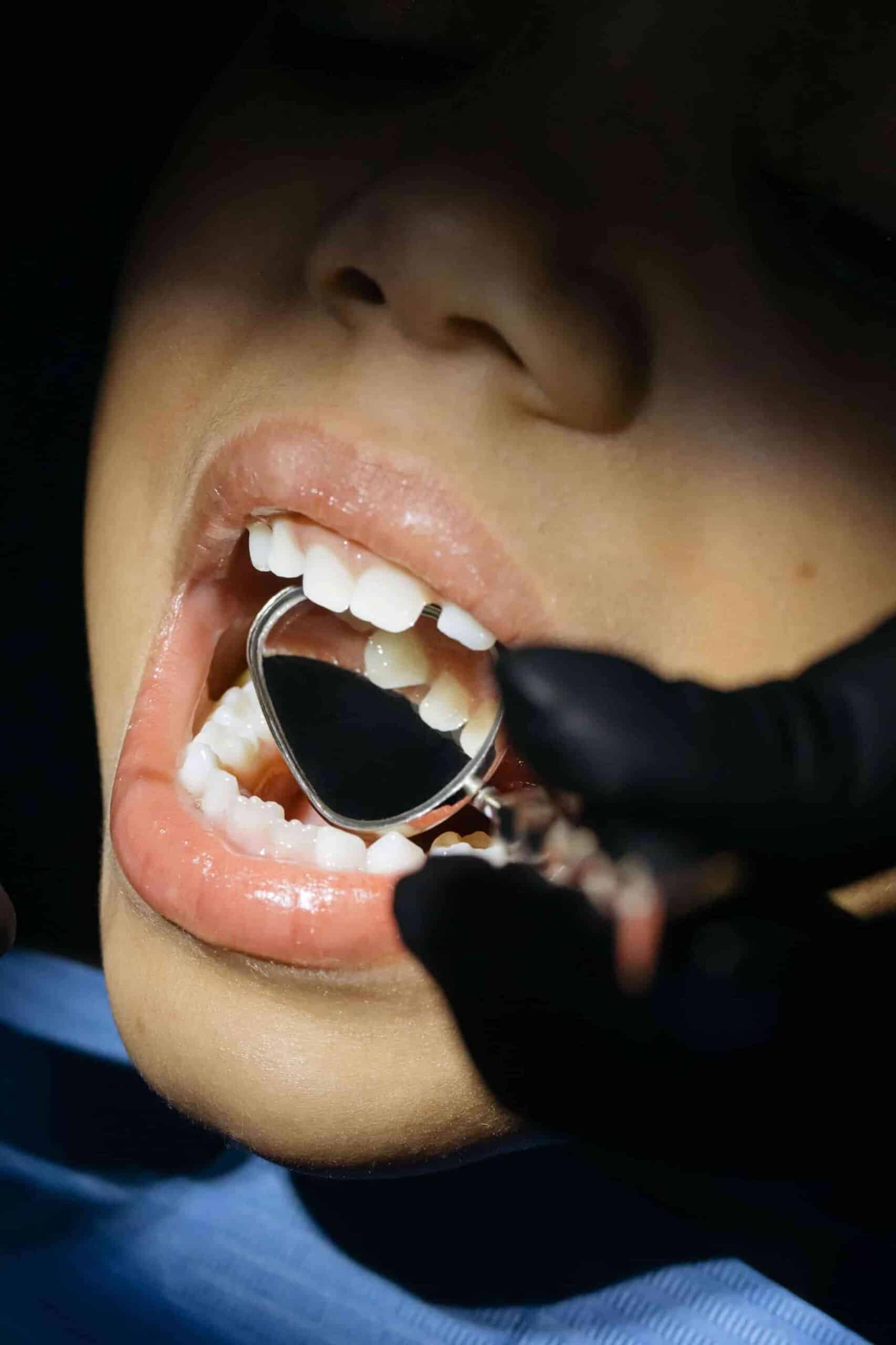
Before diving into finances, it is helpful to understand exactly what you are paying for. Pediatric dentists differ from general dentists because they complete two to three years of specialty training focused on infants, children, and teens. This expertise allows them to provide comprehensive care that addresses the unique physical and emotional needs of growing children.
At practices like Hawthorne Children’s Dental, the focus is on creating a fun, fear-free environment. Their services include:
- Preventative Dentistry: This includes routine check-ups, cleanings, fluoride treatments, and sealants to stop cavities before they start.
- Emergency Dentistry: Dental emergencies—like a knocked-out tooth from a playground accident—happen without warning. Specialized pediatric offices prioritize these urgent cases to relieve pain quickly.
- Sedation Dentistry: For children with anxiety or special healthcare needs, options like nitrous oxide (laughing gas) ensure they can receive treatment without trauma or fear.
- Airway Evaluation: This holistic approach identifies underlying issues like sleep-disordered breathing, ensuring your child’s overall health and development are on track.
Understanding Your Payment Options
When looking for a pediatric dentist in California, you should look for a practice that removes financial friction. The days of “cash or check only” are largely behind us. Modern offices leverage technology and financial partnerships to offer broad flexibility.
Insurance Coverage
The most common way to manage costs is through dental insurance. Most reputable pediatric offices in California accept a wide range of plans, including PPO and HMO options.
Crucially, for many California families, finding a provider that accepts Medi-Cal is essential. Offices that work with these programs demonstrate a commitment to serving the wider community.
Third-Party Financing
If insurance doesn’t cover the full cost, or if you are uninsured, third-party financing is a powerful tool. Programs like CareCredit act as a credit card specifically for healthcare needs.
They often offer short-term, interest-free financing options, allowing you to pay off the bill over several months rather than all at once.
Modern Payment Methods
Flexibility also means accepting the payment methods you actually use in daily life. Forward-thinking practices, such as Hawthorne Children’s Dental, have expanded their acceptance list to include:
- Zelle, Venmo, and CashApp
- Apple Pay
- Major credit cards (Visa, MasterCard, American Express, Discover)
- Bitcoin and various cryptocurrencies
Monthly Payment Plans
Some offices may offer in-house monthly payment plans for specific procedures.
These must usually be arranged before treatment begins, helping families budget for larger expenses like extensive restorative work or space maintainers.
Factors to Consider When Choosing a Payment Plan
Not all payment plans are created equal.
When evaluating your options, pay close attention to the fine print to avoid surprise costs later.
Interest Rates and Terms
If you choose third-party financing, check the interest rates.
Many providers offer 0% interest for 6, 12, or 18 months, but interest rates can skyrocket if the balance isn’t paid in full by the end of the promotional period.
Flexibility and Hidden Fees
Ask the dental office if there are administrative fees for setting up a payment plan.
Additionally, check if the plan allows for early payoff without penalties. The best plans are those that adapt to your financial timeline, not the other way around.
Insurance Coordination
A great dental administrative team will do the heavy lifting for you. They should be willing to verify your benefits, explain your co-pays, and file claims on your behalf.
If an office expects you to handle all communication with the insurance company, it might add unnecessary stress to your experience.
Step-by-Step Guide to Finding the Best Plan
Finding the right financial fit requires a proactive approach.
Follow these steps to ensure you get the best deal for your child’s care.
- Research Before the Emergency: Don’t wait until your child has a toothache to look for a dentist. Browse websites to see their “Financial” or “Insurance” pages. Look for transparency.
- Use Payment Calculators: Some websites offer payment calculator tools. These allow you to input the estimated cost of a procedure to see what your monthly payments might look like.
- Ask About “Gap” Coverage: If you have insurance, ask the office how they handle the balance that insurance doesn’t cover. Do they require immediate payment, or can that portion be financed?
- Inquire About Discounts: While not always advertised, some offices offer small discounts for payments made in full with cash at the time of service.
Illustrative Examples of Payment Strategies
To help visualize how this works, here are a few examples of how families manage dental costs effectively.
The “Uninsured Emergency”
The Situation: A child trips and chips a front tooth. The family does not currently have dental insurance.
The Solution: The parents take the child to a pediatric specialist who offers emergency care. Because they cannot pay the full amount upfront, they apply for CareCredit while in the office. They are approved instantly and set up a 6-month interest-free payment plan, allowing the child to get immediate treatment without financial strain on the parents.
The “Medi-Cal” Family
The Situation: A family relies on the state’s Medi-Cal program for health coverage and needs a new dental home for their toddler.
The Solution: They search specifically for a high-quality private practice that accepts government plans. They find an office that accepts Medi-Cal and schedules a preventative check-up. The office handles all the billing directly with the state program, resulting in zero out-of-pocket costs for the standard cleaning and exam.
Resources and Support
If you are struggling to afford dental care, California offers several resources to help families:
- Medi-Cal Dental Program: Provides comprehensive dental services to eligible children and adults.
- California Dental Association (CDA): Often hosts events like “CDA Cares,” providing free dental services to those in need.
- Give Kids A Smile: A program where dentists, including Dr. Dan at Hawthorne Children’s Dental, volunteer to provide free oral health services to underserved children.

Frequently Asked Questions
Q: What happens if my insurance doesn’t cover the full cost?
A: Most insurance companies respond within four to six weeks. Any remaining balance after your insurance has paid is your responsibility. However, offices like Hawthorne Children’s Dental can often help you set up a payment arrangement for this balance if discussed in advance.
Q: Can I use cryptocurrency for dental services?
A: Yes, but it depends on the specific provider. Hawthorne Children’s Dental is one of the few pediatric offices that accepts Bitcoin and various cryptocurrencies, providing a modern alternative for tech-savvy parents.
Q: How do I know how much a procedure will cost monthly?
A: Transparency is vital. Look for a Payment Calculator Tool on your dentist’s website. This allows you to estimate monthly costs for specific procedures so you can budget effectively before you even set foot in the office.
Q: Does specialized pediatric care cost more?
A: While specialty care can sometimes have higher fees than general dentistry due to the advanced training involved, the long-term value is significant. Pediatric dentists are trained to be minimally invasive, potentially saving you money on future corrections or treatments for dental anxiety.
Secure Your Child’s Smile and Your Budget
Your child’s oral health is a critical part of their overall development, affecting everything from how they eat to how they sleep. Financial concerns should not force you to compromise on quality care. By leveraging dental insurance, utilizing interest-free financing, and choosing a practice that offers modern, flexible payment options, you can ensure your child receives expert attention in a supportive environment.
If you are looking for a compassionate team that prioritizes both your child’s comfort and your financial peace of mind, consider reaching out to the experts at Hawthorne Children’s Dental.
Take the next step for your child’s health. Check out our patient reviews on our Google My Business profile to see how other California parents have navigated their dental journeys with us.