Many adults and teenagers rely on a morning cup of coffee or an afternoon energy drink to get through a busy schedule. A quick boost of energy helps you stay focused and alert. But that familiar beverage can sometimes bring an unexpected and highly uncomfortable side effect: a sudden, sharp pain in your mouth.
Experiencing a caffeine toothache can turn a comforting daily routine into a frustrating ordeal. You might feel a lingering ache in your jaw, sharp sensitivity when sipping hot liquids, or even tenderness along your gum line. These symptoms leave many people wondering if their favorite drinks are secretly damaging their smiles.
The relationship between caffeine consumption and oral health is complex. It involves several factors, from the high acidity of popular beverages to the physical effects caffeine has on your nervous system. By understanding how these elements interact with your teeth and gums, you can make informed decisions to protect your family’s oral health without giving up your favorite morning pick-me-up.
Key Takeaways
- Acidity destroys enamel: The high acid content in coffee and energy drinks erodes tooth enamel, exposing sensitive nerves and leading to a severe caffeine toothache.
- Caffeine reduces saliva: Caffeinated products often cause dry mouth, which allows harmful bacteria to multiply and irritate your gums.
- Grinding and clenching: Caffeine stimulates the nervous system, which can trigger nighttime teeth grinding (bruxism) and result in a dull, aching caffeine tooth pain.
- Gum choices matter: If you are wondering if is caffeine gum bad for your teeth, the answer depends on its ingredients and how it affects your jaw muscles.
- Professional care is vital: Persistent dental discomfort requires a professional evaluation to prevent minor issues from becoming major dental emergencies.

Understanding the Link: Can caffeine cause a toothache?
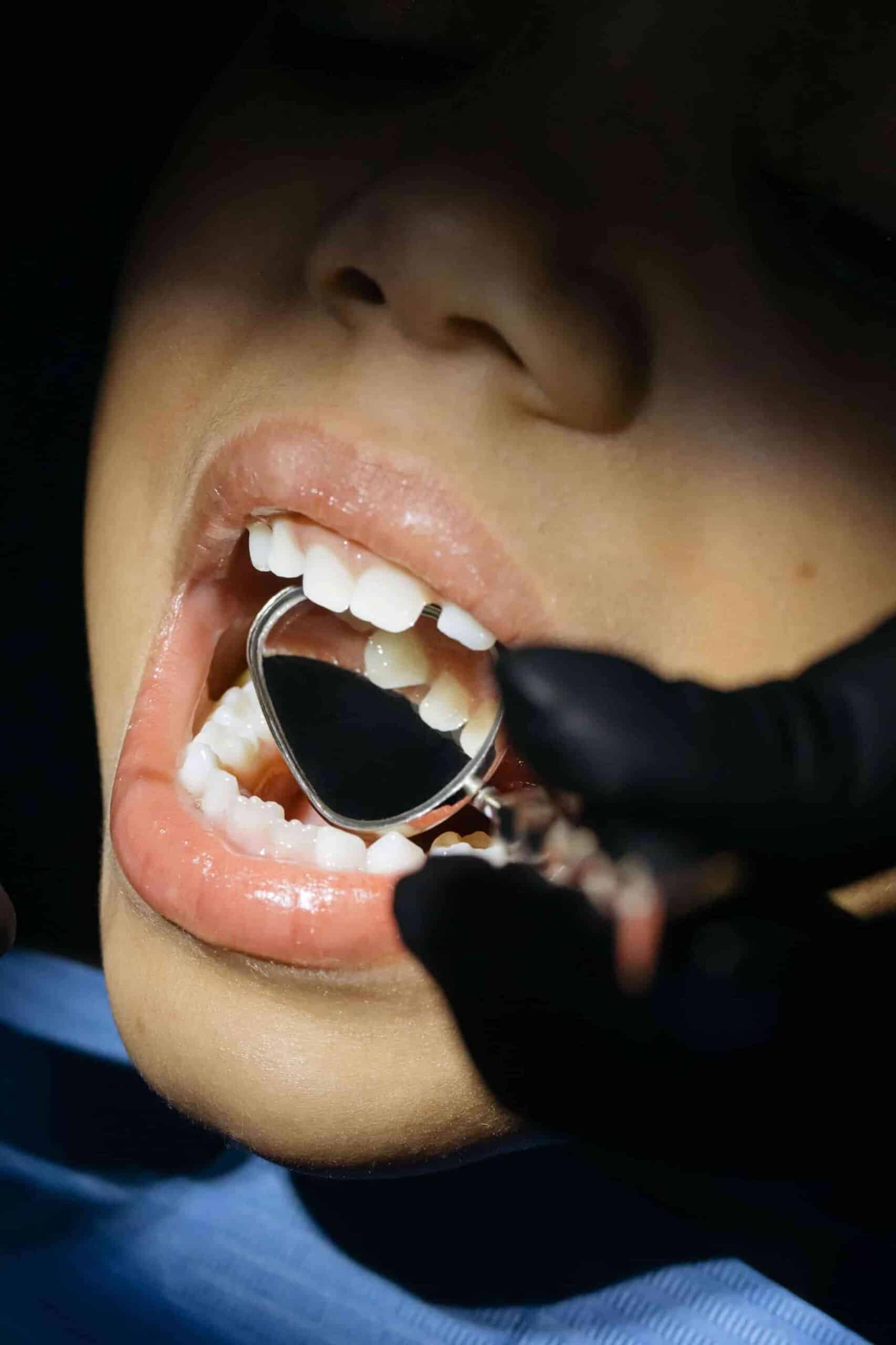
When you experience a caffeine toothache, the pain rarely comes from the caffeine molecule itself. Instead, the discomfort stems from how caffeinated products interact with your body and your mouth.
First, caffeine is a central nervous system stimulant. While this helps you stay awake, it also increases muscle tension. For many individuals, this tension manifests as bruxism, a condition where you unconsciously clench your jaw or grind your teeth. This frequently happens at night while you sleep. The excessive pressure wears down the protective outer layer of your teeth and strains the ligaments holding your teeth in place. Over time, this constant grinding results in significant caffeine tooth pain, jaw soreness, and even headaches.
Second, caffeine consumption directly impacts saliva production. Saliva is your mouth’s natural defense mechanism. It washes away food particles, neutralizes harmful acids, and coats your teeth in protective minerals. Caffeinated drinks and snacks often lead to a dry mouth. Without enough saliva, plaque builds up rapidly on your teeth and along the gum line, increasing the risk of cavities and gum inflammation.
Acidity and Enamel: Why is coffee bad for toothache and sensitivity?
If you already have a cavity, sensitive teeth, or an irritated nerve, you might ask: is coffee bad for toothache? The short answer is yes.
Coffee, tea, and energy drinks are highly acidic. When you expose your teeth to a highly acidic environment, the acid begins to soften and erode the hard, protective enamel on the outside of your teeth. Beneath the enamel lies the dentin, a softer layer that contains thousands of microscopic tubes leading directly to the nerve center of the tooth.
When enamel wears away, those tiny tubes are left exposed. Any time you take a sip of a hot coffee or an ice-cold energy drink, the extreme temperature travels straight to the nerve. This triggers a sharp, localized pain. Furthermore, if you already have a developing toothache or a small cavity, bathing that compromised tooth in an acidic, sugary coffee drink will severely aggravate the damaged tissue, making the pain much worse.
Teenagers are especially vulnerable to this type of enamel erosion due to the rising popularity of heavily sweetened, highly caffeinated sports and energy drinks. These beverages combine high acidity with massive amounts of sugar, creating the perfect recipe for severe tooth decay.
Gum Health: Investigating if caffeine gum is bad for your teeth and gums
Many people turn to caffeinated chewing gum as a convenient, spill-free alternative to coffee. This brings up an important question: is caffeine gum bad for your teeth and gums?
Chewing regular, sugar-free gum is actually recommended by many dentists. The chewing action stimulates saliva flow, which helps neutralize plaque acids and wash away debris. However, caffeine gum introduces a few unique risks.
Because caffeine acts as a diuretic, heavy consumption of caffeinated gum can still contribute to dry mouth. Without sufficient saliva, your gums become dry, inflamed, and more susceptible to periodontal disease. Additionally, some brands use highly acidic flavorings to mask the bitter taste of caffeine, which can slowly erode enamel just like a liquid beverage.
Finally, excessive chewing combined with caffeine’s muscle-stimulating effects can severely overwork your jaw muscles. This can lead to temporomandibular joint (TMJ) discomfort and generalized aching in your lower teeth. Moderation is essential to ensure this habit does not harm your oral health.
Managing Caffeine Tooth Pain: Tips for relief and prevention
You do not have to completely banish caffeine from your household, but adopting a few simple habits can drastically reduce the risk of dental discomfort.
Drink water alongside your beverages
Always follow a caffeinated drink with a glass of plain water. Water instantly helps rinse away lingering acids and sugars, restoring the natural pH balance of your mouth. It also combats the dehydrating effects of caffeine, keeping your saliva production at a healthy level.
Use a straw
When teenagers drink iced coffee or energy drinks, encourage them to use a straw. A straw directs the liquid past the front teeth, minimizing direct contact with the enamel and reducing the chance of widespread erosion.
Wait to brush
It seems logical to brush your teeth immediately after a sugary drink, but doing so can actually cause more harm. Acid softens your enamel. If you brush while the enamel is in this weakened state, you can literally scrub the protective layer away. Wait at least 30 minutes after consuming an acidic drink before brushing your teeth.
Utilize preventive treatments
At Hawthorne Children’s Dental, Dr. Dan Klein and his expert team provide powerful preventive treatments to protect your child’s developing smile. We offer customized fluoride treatments and sealants to guard against decay. We also highly recommend at-home tools like Sonicare toothbrushes and MI Paste, which help remineralize enamel and soothe sensitive teeth.

FAQ
Q: Does coffee weaken your teeth?
A: Coffee itself does not directly extract calcium from your teeth, but its high acid content slowly softens and dissolves the protective enamel. Over time, this erosion leaves your teeth structurally weaker and much more prone to cavities and sensitivity.
Q: Can caffeine cause inflamed gums?
A: Yes. Caffeine restricts blood flow and can cause dry mouth. A lack of saliva allows plaque and bacteria to accumulate along the gum line, leading to redness, swelling, and bleeding gums.
Q: How can I stop tooth pain from coffee?
A: If you experience pain after drinking coffee, rinse your mouth with warm water. Avoid extreme temperatures and highly acidic foods for the rest of the day. If the pain persists, you likely have exposed dentin or a cavity that requires professional dental treatment.
Q: When should I see a dentist for tooth pain?
A: If your child’s toothache lasts for more than a day, causes them to wake up at night, or is accompanied by swelling in the face or gums, contact an emergency dentist immediately. Prompt care prevents infections from spreading.
Take Control of Your Dental Health Today
Dealing with a caffeine toothache is an unpleasant disruption to your daily life. While adjusting your daily habits and improving your oral hygiene routine can provide significant relief, masking the pain at home is never a permanent solution. Persistent sensitivity or aching gums often point to underlying issues like enamel erosion, hidden cavities, or bruxism that require a professional touch.
At Hawthorne Children’s Dental in Hawthorne, California, we specialize in providing compassionate, expert care in a fun and welcoming environment. Dr. Dan and our team offer everything from comprehensive airway evaluations to gentle pediatric dentistry and safe sedation options. We take the time to tailor our care to your child’s unique needs, ensuring they build lifelong habits for a healthy, pain-free smile.
Do not let a lingering toothache dictate your child’s comfort. Contact Hawthorne Children’s Dental today to schedule an appointment and keep your family’s smiles shining bright.