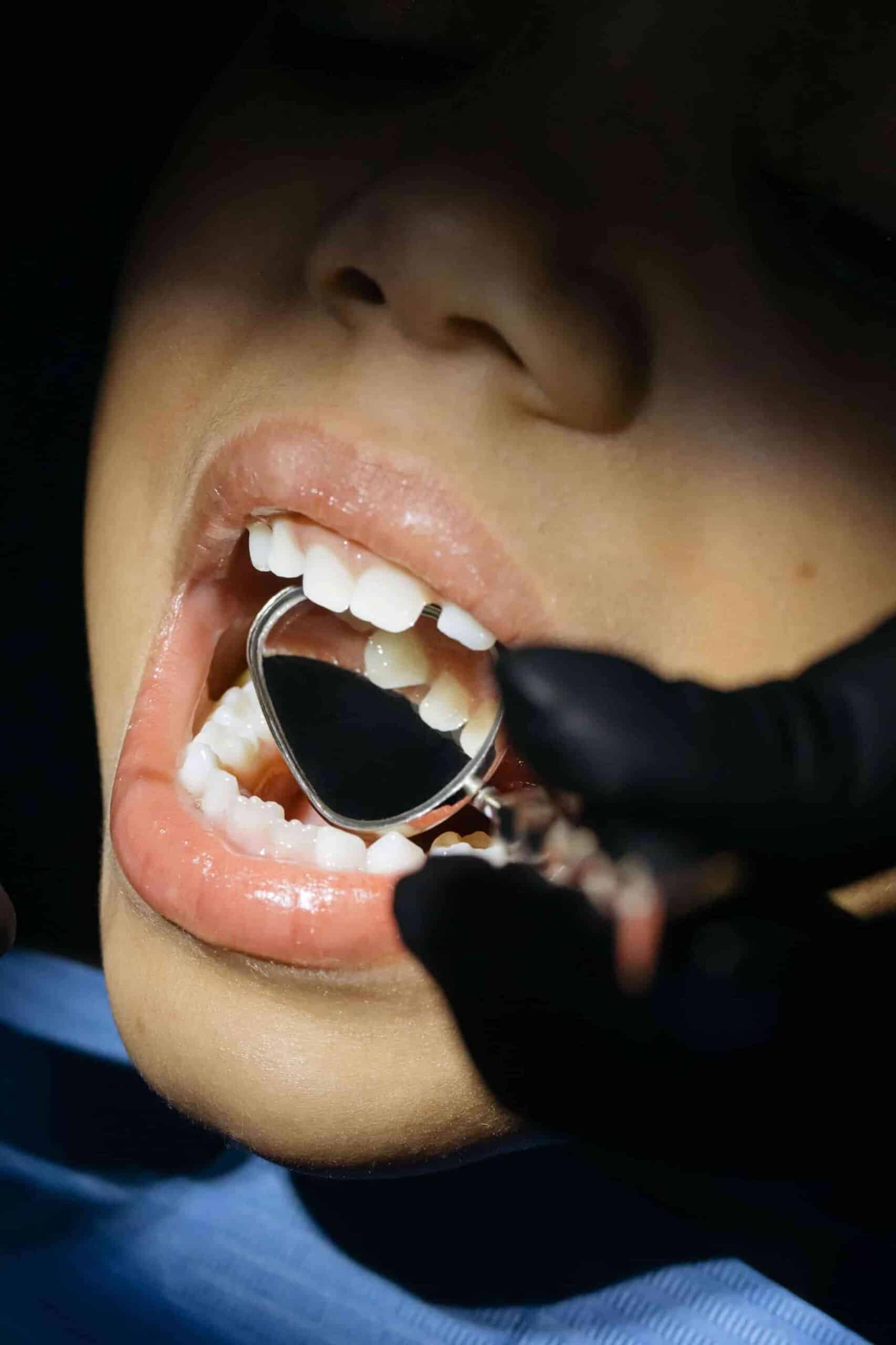

Your oral hygiene plays a surprisingly massive role in your everyday life. Beyond keeping your teeth and gums healthy, a fresh mouth directly impacts your social confidence and self-esteem. Chronic bad breath, clinically known as halitosis, can make conversations uncomfortable and cause unnecessary anxiety in social or professional settings.
If you constantly wonder how to have a better breath, you certainly are not alone. Millions of people struggle with persistent mouth odor, but the good news is that understanding the root cause makes treatment incredibly straightforward. Simple changes to your daily routine can eliminate the bacteria responsible for foul smells and restore your confidence.
Taking control of your oral health requires more than just a quick mint. By looking at the science behind saliva production, airway health, and bacterial growth, you can implement lasting solutions. Read on to discover actionable strategies to achieve a fresh, clean smile.
Key Takeaways
- Stay hydrated: Drinking plenty of water promotes saliva production, which naturally washes away odor-causing bacteria.
- Scrape your tongue: Bacteria thrive on the surface of your tongue, so cleaning it daily is essential for fresh breath.
- Evaluate your breathing: Chronic mouth breathing dries out your oral cavity. An airway evaluation can uncover underlying sleep apnea or breathing issues.
- Clean your hardware: Braces and retainers harbor food particles. Soak retainers in lukewarm water to keep them sanitary.
- See your dentist: Regular cleanings and pediatric dental care set the foundation for lifelong oral health.
Why Do I Have Bad Breath Every Day?
Many of our patients here in Hawthorne ask, “Why do I have bad breath every day?” The answer usually comes down to a lack of moisture and an overgrowth of bacteria. Your mouth is a naturally warm, moist environment where hundreds of bacterial species thrive. When these bacteria break down food particles left between your teeth, they release foul-smelling sulfur compounds.
A major contributor to this bacterial growth is a condition called dry mouth. Saliva is your body’s natural mouthwash. It constantly cleanses your teeth and neutralizes acids produced by plaque. When your saliva flow decreases—due to dehydration, certain medications, or sleeping with your mouth open—dead cells accumulate on your tongue, gums, and cheeks. These cells decompose and cause a noticeable odor.
Addressing these root causes is the first step toward figuring out how to get good breath permanently.

11 Proven Ways to Make Your Breath Smell Better
Achieving a fresh, odor-free smile requires a comprehensive approach to dental hygiene. Here are eleven proven strategies to help you maintain a clean mouth.
1. Perfect your brushing and flossing technique
The foundation of fresh breath is removing the food debris that feeds bacteria. Brush your teeth at least twice a day using a fluoride toothpaste. Take your time and gently brush along the gumline for a full two minutes. Flossing is equally important. A toothbrush simply cannot reach the tight spaces between your teeth where food easily becomes trapped and rots.
2. Clean your tongue daily
Your tongue acts like a sponge for bacteria. The rough surface traps microscopic food particles and dead cells, creating a breeding ground for sulfur-producing microbes. Use a tongue scraper or your toothbrush to gently clean your tongue from back to front every morning.
3. Stay hydrated to boost saliva
Drinking water throughout the day is one of the easiest ways to improve your breath. Hydration ensures your salivary glands produce enough saliva to wash away lingering food and bacteria. Keep a water bottle handy and take frequent sips, especially after meals.
4. Choose an alcohol-free mouthwash
Mouthwash can provide a quick burst of freshness, but many commercial brands contain alcohol. Alcohol dries out the oral tissues, which eventually leads to worse breath once the minty flavor fades. Look for an alcohol-free, antibacterial mouthwash to safely reduce bacterial loads without causing dryness.
5. Adjust your diet to reduce sulfur
Certain foods provide a feast for odor-causing bacteria. Diets high in sugar accelerate plaque formation and acid production. Additionally, foods heavily laden with garlic and onions contain strong oils that carry through your bloodstream and into your lungs, affecting your breath for hours. Limiting sugary snacks helps keep oral bacteria in check.
6. Chew parsley and crunchy vegetables
If you are looking for natural tips for fresh breath, turn to your crisper drawer. Crunchy fruits and vegetables like apples, celery, and cucumbers act as natural toothbrushes. Their firm texture helps scrape away plaque while stimulating saliva production. Chewing fresh parsley also helps, as it contains chlorophyll, a natural deodorizer.
7. Quit tobacco products
Smoking and chewing tobacco leave a distinct, unpleasant odor in your mouth. Furthermore, tobacco products severely dry out your oral tissues and increase your risk of gum disease, a primary cause of severe halitosis. Quitting tobacco is vital for your breath and your overall health.
8. Maintain your dental hardware
Braces, clear aligners, and retainers easily trap food debris. If you wear an orthodontic appliance, you must clean it thoroughly. Brush around your brackets after every meal. For retainers, gently brush them and soak them in lukewarm water with an appropriate cleansing tablet. Never use hot water, as it can warp the plastic.
9. Manage underlying sinus issues
Sometimes the problem originates outside the mouth. Sinus infections and post-nasal drip allow bacteria-filled mucus to accumulate at the back of your throat. This discharge produces a highly unpleasant odor. If you suffer from chronic allergies or sinus congestion, treating these conditions with the help of a medical professional can significantly improve your breath.
10. Schedule professional cleanings and airway evaluations
Stubborn tartar cannot be removed with a regular toothbrush. You need professional dental cleanings every six months to keep plaque at bay. Furthermore, if you wake up with a severely dry mouth, you might be a chronic mouth breather. At Hawthorne Children’s Dental, our specialized airway evaluations help identify sleep-disordered breathing and jaw alignment issues, allowing your child to breathe easily and sleep peacefully.
11. Focus on pediatric-specific oral care
Children face unique dental challenges. From learning how to brush properly to dealing with losing baby teeth, kids need specialized guidance. Pediatric dentists use gentle, child-friendly techniques to remove plaque and educate families on the best ways to maintain a healthy smile.
Pediatric Focus: Setting the Stage for Lifelong Oral Health
Teaching children good dental habits early prevents a multitude of problems down the road. Kids who learn to brush, floss, and clean their tongues are far less likely to struggle with chronic bad breath as adults.
At Hawthorne Children’s Dental, Dr. Dan Klein and his team focus on making dentistry fun and approachable. By catching issues like mouth breathing and poor brushing habits early, pediatric dentists guide children toward optimal oral health. Regular check-ups help normalize dental visits, ensuring kids grow up with bright, odor-free smiles.

Frequently Asked Questions
Q: How can I figure out how to improve breath quickly before a meeting?
A: If you need a fast fix, swish your mouth with water to dislodge loose food particles. Chewing a piece of sugar-free gum containing xylitol can also stimulate saliva flow and temporarily mask odors. Avoid sugary mints, as they ultimately feed bacteria.
Q: Can a stomach issue cause bad breath?
A: es. Acid reflux or gastroesophageal reflux disease (GERD) allows stomach acids and undigested food odors to travel back up your esophagus. If you experience frequent heartburn alongside bad breath, consult a physician to address the underlying digestive issue.
Q: Will regular mouthwash cure chronic halitosis?
A: Mouthwash is a helpful tool, but it is not a cure. If you have underlying gum disease, severe plaque buildup, or airway issues causing dry mouth, cosmetic mouthwashes will only mask the smell temporarily. You must treat the root cause to see permanent results.
Transform Your Routine for a Healthier Smile
Understanding how to have better breath empowers you to take control of your oral hygiene. By staying hydrated, perfecting your brushing technique, and addressing issues like mouth breathing, you can easily banish bad breath.
Consistent daily habits paired with expert dental care are the ultimate defense against halitosis. If you or your child struggles with persistent dry mouth, airway concerns, or general dental anxiety, Hawthorne Children’s Dental is here to help. Schedule an appointment with Dr. Dan today to establish a personalized, compassionate care plan that keeps your family smiling confidently.